When your child gets itchy from allergies, you want relief—fast. But pediatric antihistamine dosing, the precise amount of allergy medicine given to children based on age, weight, and condition. Also known as children's antihistamine dosage, it’s not just a smaller version of adult pills—it’s a science with real risks if done wrong. Giving too much can cause drowsiness, confusion, or even seizures. Too little, and the rash or runny nose won’t budge. The difference between safe and dangerous isn’t a guess—it’s a number on a chart, tied to weight and age.
Not all antihistamines are created equal for kids. first-generation antihistamines, like diphenhydramine (Benadryl) and chlorpheniramine. Also known as sedating antihistamines, they cross the blood-brain barrier and can make kids sleepy, clumsy, or hyper. Many parents reach for them because they’re cheap and easy to find. But the AAP warns against routine use in children under six. second-generation antihistamines, like cetirizine (Zyrtec) and loratadine (Claritin). Also known as nonsedating antihistamines, they’re preferred for daily use because they’re less likely to cause drowsiness or affect school performance. These are the ones your pediatrician will recommend for ongoing allergies like hay fever or eczema.
Weight matters more than age. A 30-pound toddler needs less than a 60-pound child, even if they’re both six years old. Dosing charts on the bottle? They’re a starting point. Real dosing is calculated in milligrams per kilogram. Many parents don’t know that liquid forms aren’t always the same strength—Zyrtec syrup is 5mg per 5mL, but Children’s Benadryl is 12.5mg per 5mL. Mix them up, and you’re giving double the dose. And never use adult tablets cut in half. The powder doesn’t split evenly, and you can’t trust a knife to measure 2.5mg. Always use the syringe or cup that came with the bottle.
Side effects aren’t just drowsiness. Some kids get stomach upset, dry mouth, or even urinary retention. If your child starts acting strangely after taking an antihistamine—staring blankly, slurring words, or having trouble walking—get help fast. These aren’t "just tired" signs. They’re signs of overdose. And don’t mix antihistamines with cough syrups or cold meds. Many of those already contain antihistamines. You could accidentally give three doses in one day.
What you’ll find in the posts below isn’t a list of brand names. It’s the real talk about what works, what doesn’t, and what could hurt. From how polypharmacy increases risks in kids on multiple meds, to why inactive ingredients in generics can trigger allergic reactions, these posts cut through the noise. You’ll learn how to spot dangerous interactions, understand why timing matters, and avoid the common traps that lead to ER visits. This isn’t theory. It’s what parents and doctors actually deal with every day.
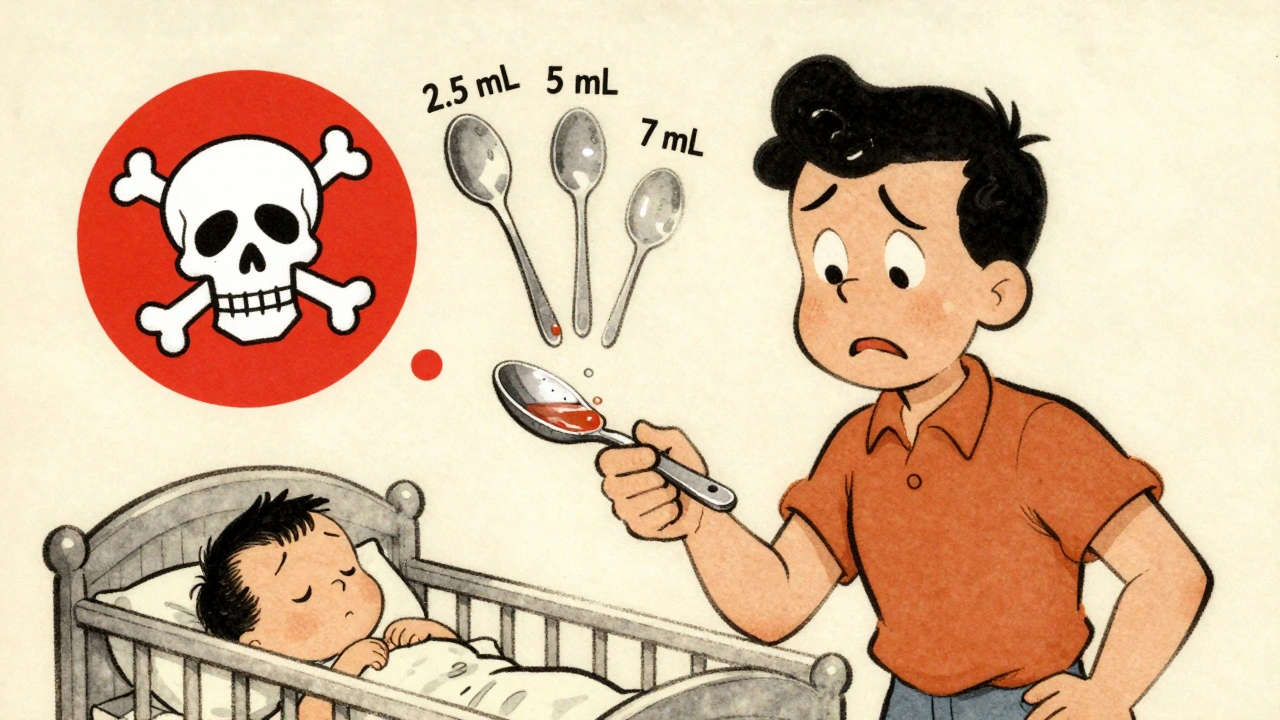
Learn how to safely dose antihistamines for children to avoid dangerous side effects. Discover why kitchen spoons, weight confusion, and outdated meds like Benadryl put kids at risk-and what to do instead.
full article