When a pituitary adenoma, a noncancerous tumor that grows on the pituitary gland at the base of the brain. Also known as pituitary tumor, it doesn’t spread like cancer but can still cause serious problems by pressing on nerves or flooding your body with too much or too little hormone. The pituitary is tiny—about the size of a pea—but it controls major hormones that regulate metabolism, growth, reproduction, and stress. When a tumor forms there, it doesn’t just sit there. It either overproduces hormones like prolactin or cortisol, or it smothers the gland’s ability to make them at all.
This is why symptoms vary so wildly. Some people get hyperprolactinemia, a condition where excess prolactin causes milk production in non-pregnant people, missed periods, or low sex drive. Others develop headaches or blurry vision because the tumor pushes against the optic nerve. In rarer cases, it triggers Cushing’s disease from too much cortisol, or acromegaly from excess growth hormone. The key is recognizing these aren’t random issues—they’re signals from a gland that’s been hijacked.
Medications play a huge role here. For prolactin-secreting tumors, dopamine agonists, drugs like cabergoline or bromocriptine that mimic dopamine to shrink the tumor and lower prolactin are often the first line of treatment. They work better than surgery for many people. But these drugs don’t come without side effects—dizziness, nausea, even sudden sleep attacks. And if you’re on other meds, like antipsychotics or certain blood pressure pills, they can interfere. That’s why knowing your full drug list matters. A drug interaction you didn’t know about could make your treatment fail or worsen symptoms.
Not every pituitary adenoma needs surgery or drugs. Some are found by accident during an MRI for another reason. If it’s small and not causing symptoms, doctors may just watch it. But if your hormone levels are off, your vision is changing, or you’re struggling with fatigue or weight gain, don’t ignore it. These tumors don’t fix themselves. And while they’re not cancer, they can quietly wreck your health if left unchecked.
What you’ll find below are real, practical posts about how medications interact with hormonal conditions, how side effects like hiccups or liver stress can be linked to treatments, and why timing, dosage, and drug combinations make all the difference. From how antipsychotics can trigger dangerous reactions to how supplements might mess with hormone tests, this collection cuts through the noise. No fluff. Just what you need to understand what’s happening in your body—and what to ask your doctor next.
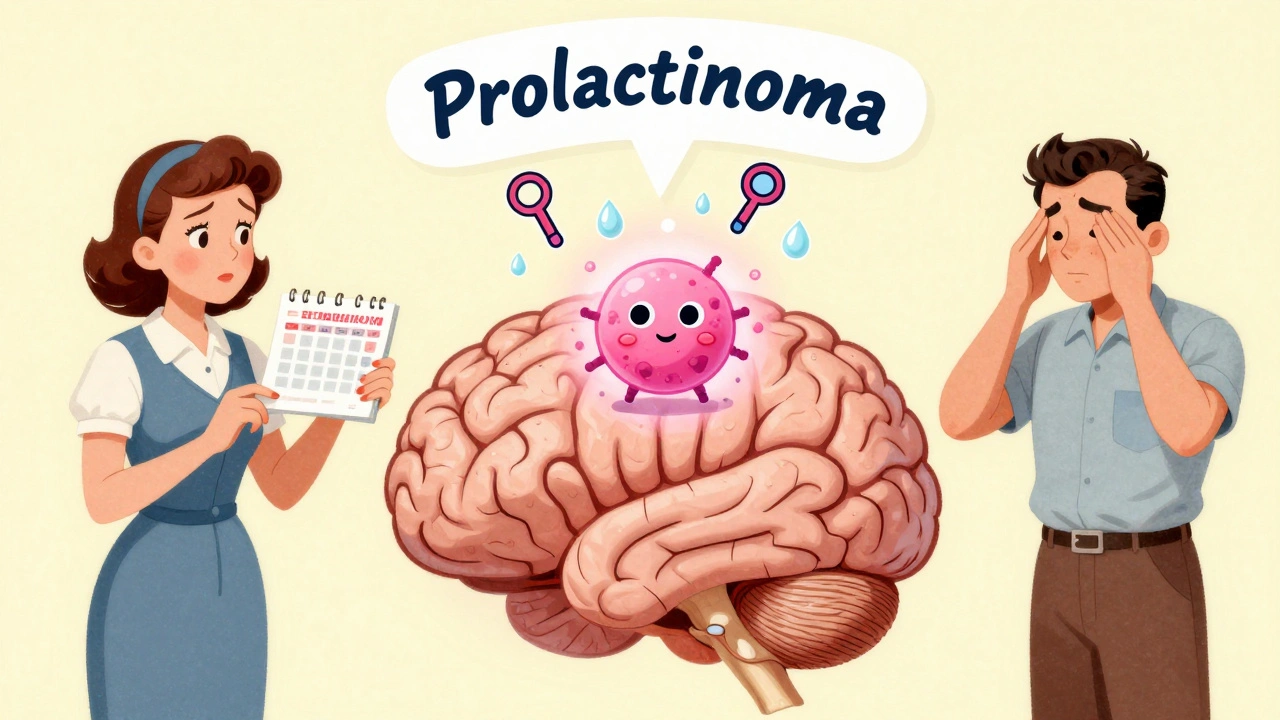
Prolactinomas are the most common type of pituitary tumor, causing hormone imbalances that affect fertility, libido, and energy. Learn how cabergoline, surgery, and radiation work-and what to expect long-term.
full article