When a pituitary tumor, a noncancerous growth on the pituitary gland that can overproduce or block key hormones. Also known as adenoma, it doesn’t spread like cancer but can still mess with your metabolism, mood, vision, and reproduction. This tiny gland at the base of your brain controls thyroid function, stress response, growth, and even milk production. When a tumor forms, it doesn’t just sit there—it starts sending wrong signals or crushing nearby nerves.
Not all pituitary tumors cause symptoms. Some are found by accident during an MRI for another issue. But when they do, it’s often because of hormone imbalance, a disruption in the body’s chemical messengers caused by tumor-driven overproduction or suppression. Too much prolactin? You might have irregular periods or breast milk when you’re not pregnant. Too much cortisol? Weight gain, high blood pressure, and mood swings follow. And if the tumor presses on the optic nerve, your vision starts to blur—especially at the edges.
Medications play a big role in managing these tumors. For prolactin-secreting ones, dopamine agonists, drugs like cabergoline and bromocriptine that mimic dopamine to shrink tumors and lower prolactin are often the first line of defense. They work for most people and can avoid surgery. But if the tumor makes too much ACTH, leading to Cushing’s disease, you might need corticosteroids, medications that block cortisol production or counter its effects—though these come with their own risks like bone loss and infection. And here’s the catch: some drugs you take for other reasons can make things worse. Steroids like dexamethasone can mask symptoms or trigger hiccups. Antipsychotics can interfere with dopamine pathways. Even some migraine meds can affect hormone levels indirectly.
What you’ll find in the posts below isn’t just a list of drug names. It’s real-world insight into how medications interact with pituitary tumors—not just the ones meant to treat them, but the ones you might be taking for allergies, depression, or infections. You’ll see how polypharmacy raises risks, how drug interactions can hide in plain sight, and why monitoring isn’t optional. These aren’t theoretical concerns. People end up in the hospital because they didn’t know that their blood thinner, antibiotic, or even herbal supplement was working against their treatment. This collection gives you the facts you need to talk smarter with your doctor—and avoid the mistakes others have made.
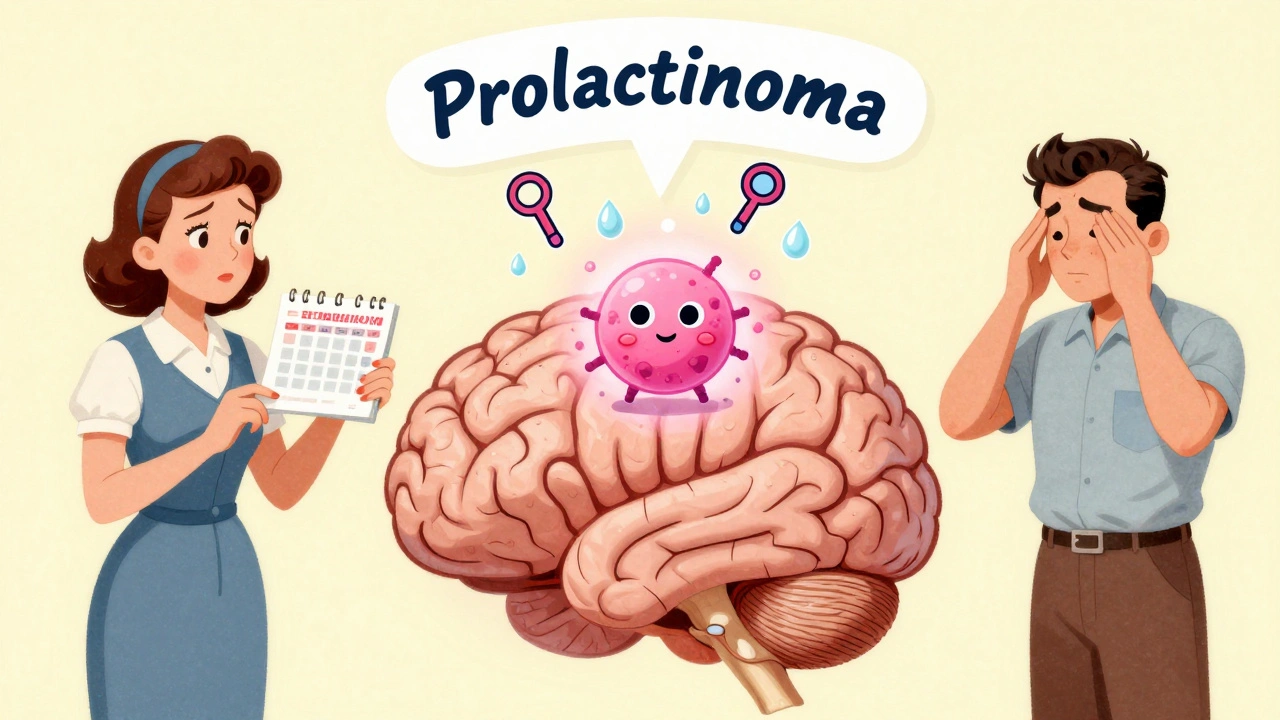
Prolactinomas are the most common type of pituitary tumor, causing hormone imbalances that affect fertility, libido, and energy. Learn how cabergoline, surgery, and radiation work-and what to expect long-term.
full article