When you’re pregnant and your nose won’t stop running or your eyes won’t stop itching, you can’t just grab the first allergy pill you see. Pregnancy allergy relief, the safe management of allergic reactions during pregnancy without harming the developing baby. Also known as allergy treatment in pregnancy, it’s not about avoiding all meds—it’s about choosing the right ones at the right time. Many women assume they have to suffer through hay fever, pet dander, or food sensitivities because "everything’s dangerous," but that’s not true. Some antihistamines, nasal sprays, and even lifestyle tweaks are proven safe and effective during all three trimesters.
What you need to know: antihistamines during pregnancy, oral medications used to block histamine and reduce allergy symptoms like sneezing, runny nose, and hives, are often the first line of defense. Studies show that loratadine (Claritin) and cetirizine (Zyrtec) don’t increase the risk of birth defects or complications. In fact, they’re recommended by OB-GYNs and allergists alike. But diphenhydramine (Benadryl)? It’s okay occasionally, but not daily—especially in the first trimester—because it can cause drowsiness in mom and baby, and may even affect fetal movement. Nasal sprays like fluticasone (Flonase) are also considered low-risk because they barely enter the bloodstream. Avoid decongestants like pseudoephedrine, especially early on—they can restrict blood flow to the placenta.
Then there’s the allergy triggers pregnancy, environmental or dietary factors that worsen allergic reactions specifically during gestation due to hormonal shifts. Pregnancy hormones can make your immune system more reactive. You might suddenly react to pollen you never cared about before, or find your cat’s dander unbearable. Even changes in your diet—like eating more dairy or gluten—can mimic or worsen allergy symptoms. Tracking what flares up and when helps you avoid triggers without medication. Use HEPA filters, wash bedding weekly in hot water, keep windows closed during high pollen seasons, and rinse your nose with saline spray daily. These aren’t just "natural" tips—they’re clinically backed ways to cut down on symptoms.
And don’t forget: safe allergy meds, medications approved for use during pregnancy with minimal risk to fetal development aren’t one-size-fits-all. What worked for your friend might not be right for you. Your body changes each trimester. What’s safe in week 12 might need adjustment by week 28. Always talk to your doctor before starting, stopping, or switching anything—even if it’s "just" an herbal tea or a supplement. Some things marketed as "natural" for allergies, like butterbur or echinacea, have zero safety data in pregnancy and could do more harm than good.
Here’s what you’ll find in the posts below: real stories from women who managed allergies while pregnant, clear breakdowns of which medications cross the placenta and which don’t, how to spot a true allergic reaction versus just pregnancy congestion, and what to do if your symptoms suddenly get worse. No guesswork. No fearmongering. Just what works—and what doesn’t—when you’re carrying a baby and trying to breathe easy.
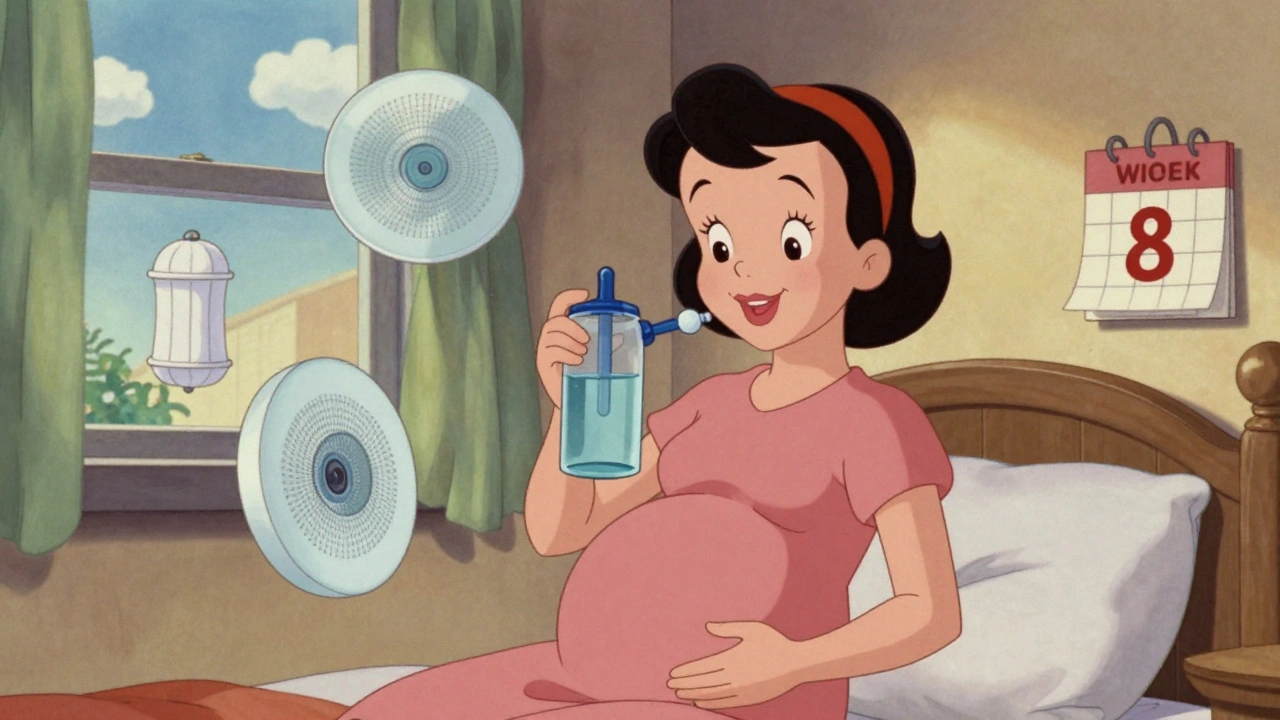
Learn which allergy medications are safe during pregnancy, by trimester. Discover the safest antihistamines, nasal sprays, and what to avoid-backed by current medical guidelines.
full article