When you're pregnant and stuffed up, pseudoephedrine, a common decongestant found in cold and allergy medicines like Sudafed feels like the only thing that will help you breathe. But is it safe? The answer isn’t simple. Pseudoephedrine is a vasoconstrictor, a substance that narrows blood vessels to reduce nasal swelling—and that effect doesn’t just stop at your nose. It can also reduce blood flow to the placenta, which is why doctors don’t recommend it in the first trimester. The FDA classifies it as Category C, meaning animal studies showed risk to the fetus, but human data is limited. That’s not a green light, but it’s not a flat-out no either.
Many women take pseudoephedrine without knowing the potential trade-offs. In early pregnancy, especially weeks 6 to 13, there’s a small but real association with abdominal wall defects like gastroschisis. Later on, it may raise blood pressure, which is risky if you’re already prone to preeclampsia. And it doesn’t just sit in your system—it crosses the placenta. That’s why pregnancy medications, any drug taken during gestation, must be weighed carefully. Even over-the-counter ones. You might think, "It’s just a decongestant," but when you’re pregnant, "just" doesn’t mean harmless. Alternatives like saline sprays, humidifiers, and steam inhalation are often just as effective and carry zero known risk. If you need something stronger, phenylephrine is sometimes suggested—but recent studies show it’s poorly absorbed orally, making it less reliable. And don’t forget that many cold medicines combine pseudoephedrine with antihistamines or pain relievers, which adds another layer of complexity. drug interactions pregnancy, how multiple medications affect each other and the developing baby are rarely studied in pregnant women, so guessing isn’t safe.
What you’ll find in the posts below isn’t just a list of warnings. It’s a clear-eyed look at how medications behave during pregnancy, what actually works, and what’s been misunderstood. You’ll see how drugs like pseudoephedrine interact with other common treatments, why some side effects are overlooked, and what real data says about risk levels. No fluff. No fearmongering. Just facts you can use to talk to your doctor with confidence.
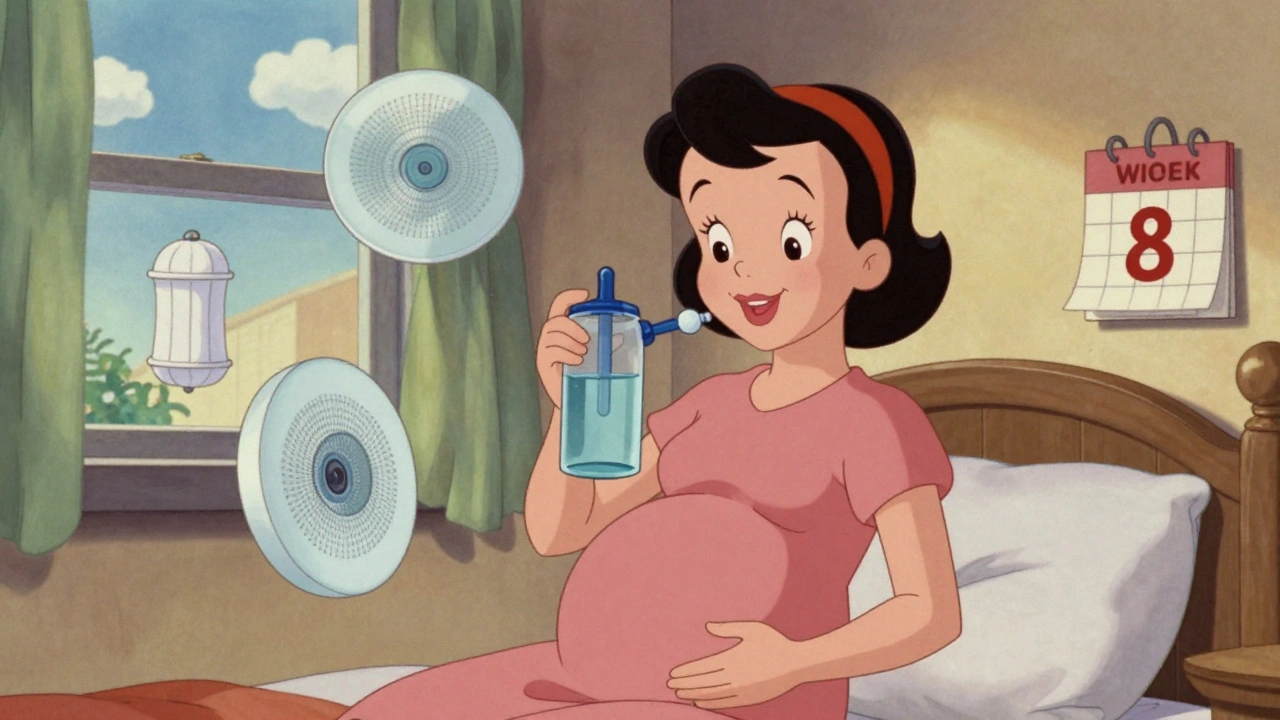
Learn which allergy medications are safe during pregnancy, by trimester. Discover the safest antihistamines, nasal sprays, and what to avoid-backed by current medical guidelines.
full article