When you're pregnant and battling allergies, you don't want to risk your baby's health—but you also don't want to suffer through sneezing fits and itchy eyes. Antihistamines, medications that block histamine to reduce allergy symptoms like runny nose, watery eyes, and hives. Also known as allergy pills, they're one of the most common over-the-counter treatments used during pregnancy, but not all are created equal. The key isn't avoiding them entirely—it's choosing the right ones at the right time.
Studies tracking thousands of pregnant women show that loratadine, a second-generation antihistamine sold as Claritin and cetirizine, the active ingredient in Zyrtec have the strongest safety record. Neither crosses the placenta in significant amounts, and large reviews from the American College of Obstetricians and Gynecologists confirm they’re not linked to birth defects. In contrast, diphenhydramine, the old-school antihistamine in Benadryl, is often used out of habit, but it can cause drowsiness in both mom and baby, and some older studies hint at a slight risk of early pregnancy complications. That’s why doctors now treat it as a backup, not a first choice.
It’s not just about the drug itself—it’s about timing and dosage. Taking any antihistamine in the first trimester requires extra caution, even if it’s considered safe later on. The baby’s organs are forming, and while loratadine and cetirizine have passed the test, we still don’t have enough data on newer options like fexofenadine. Also, don’t assume that because something is labeled "non-drowsy," it’s automatically safer. Some combination products include decongestants like pseudoephedrine, which can raise blood pressure and restrict blood flow to the placenta—so always check the full ingredient list.
Many women think they need to suffer through allergies to protect their baby. That’s not true. Untreated allergies can lead to poor sleep, stress, and even asthma flare-ups—all of which affect pregnancy outcomes. The goal isn’t to avoid medication entirely, but to use it wisely. If your symptoms are mild, try saline sprays, air purifiers, and avoiding triggers first. But if you’re struggling to breathe or sleep, talk to your provider about the safest antihistamine for your stage of pregnancy. There’s no need to guess.
What you’ll find in the posts below are real-world insights from studies and clinical experience: how pediatric dosing errors relate to adult choices, why some generics trigger reactions in sensitive people, and how drug interactions can quietly affect pregnancy outcomes. You’ll see why some antihistamines are trusted while others are avoided, and how to spot the difference between marketing claims and real safety data. This isn’t just about picking a pill—it’s about understanding what’s truly safe, what’s overhyped, and how to make smart choices when your body is changing and your baby’s health is on the line.
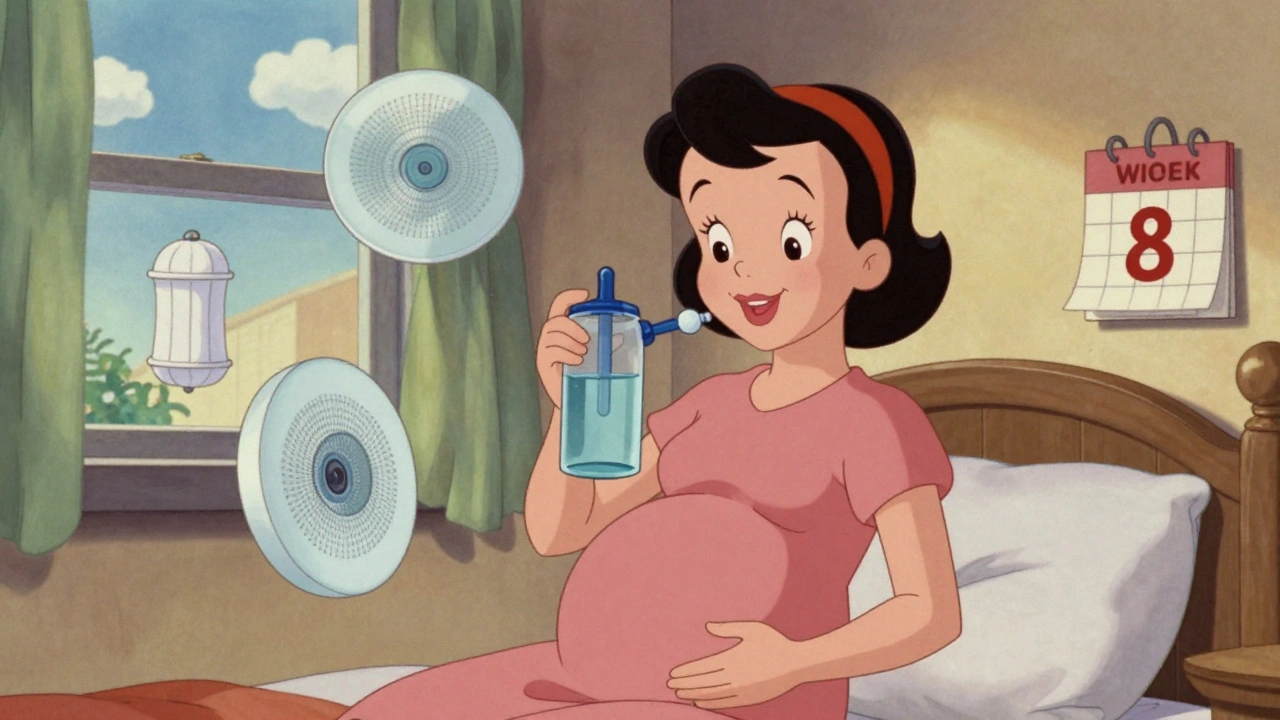
Learn which allergy medications are safe during pregnancy, by trimester. Discover the safest antihistamines, nasal sprays, and what to avoid-backed by current medical guidelines.
full article