When it comes to safe kids medication, the careful use of drugs in children to prevent harm from incorrect dosing, interactions, or unsuitable products. Also known as pediatric drug safety, it’s not just about giving the right amount—it’s about knowing what not to mix, when to skip it entirely, and why "natural" doesn’t mean safe for little bodies. Every year, emergency rooms see thousands of children because of medication errors, and most of them happen at home—not in hospitals.
One big blind spot is OTC children's meds, over-the-counter drugs like cough syrups, fever reducers, and allergy pills marketed for kids. Many parents think these are harmless because they’re sold without a prescription. But mixing acetaminophen with a cold medicine that already contains it? That’s how liver damage starts. Or using a sleep aid with antihistamines for a runny nose? That can cause dangerous drowsiness or even seizures in toddlers. These aren’t rare mistakes—they’re common because labels are confusing and marketing makes them seem harmless.
Then there’s drug interactions in kids, how one medication can change how another works in a child’s body. A simple antibiotic can spike a child’s INR if they’re on warfarin (yes, even kids can be on blood thinners). Magnesium supplements can block osteoporosis meds in teens with bone disorders. And herbal stuff like black cohosh or melatonin? They’re not regulated like real drugs, and their effects on developing systems are poorly studied. Kids aren’t just small adults—their livers, kidneys, and brains process medicines differently, and what’s safe for you could be risky for them.
And dosage? Don’t guess. Don’t use kitchen spoons. Don’t assume "half a tablet" is okay because it looks smaller. Liquid meds come in different concentrations—some are 160 mg per 5 mL, others are 250 mg per 5 mL. Get it wrong by one decimal point, and you’ve doubled the dose. Pediatricians use weight-based calculations for a reason. If your child weighs 22 pounds, the right amount of ibuprofen isn’t "a teaspoon," it’s 5.5 mL of the 100 mg/5 mL concentration. Ask your pharmacist to show you the exact measuring tool. Keep a log. Write down what you gave, when, and why.
Many parents don’t realize that refill-by dates on prescriptions matter just as much as expiration dates. A bottle of amoxicillin might still look fine after two weeks, but if it’s past its refill-by date, the potency has dropped. Giving under-dosed antibiotics doesn’t just waste money—it breeds resistant bacteria. And if your child’s cough medicine was prescribed for a cold that’s already gone? Toss it. Storing old meds in the bathroom cabinet invites accidents and confusion.
There’s no magic trick to keeping kids safe with meds. It’s about paying attention to details most people ignore. Check the active ingredients on every bottle. Ask if something is safe to mix with what they’re already taking. Keep a list of all medications—even vitamins and supplements—and bring it to every doctor visit. And if you’re ever unsure? Call your pharmacist. They’re trained to catch these mistakes before they happen.
Below, you’ll find real, practical guides from parents and medical professionals who’ve dealt with these exact issues—how to time meds across time zones when traveling, why certain OTC remedies work better than others for kids, and how to spot signs of dangerous interactions before it’s too late. No fluff. No marketing. Just what works.
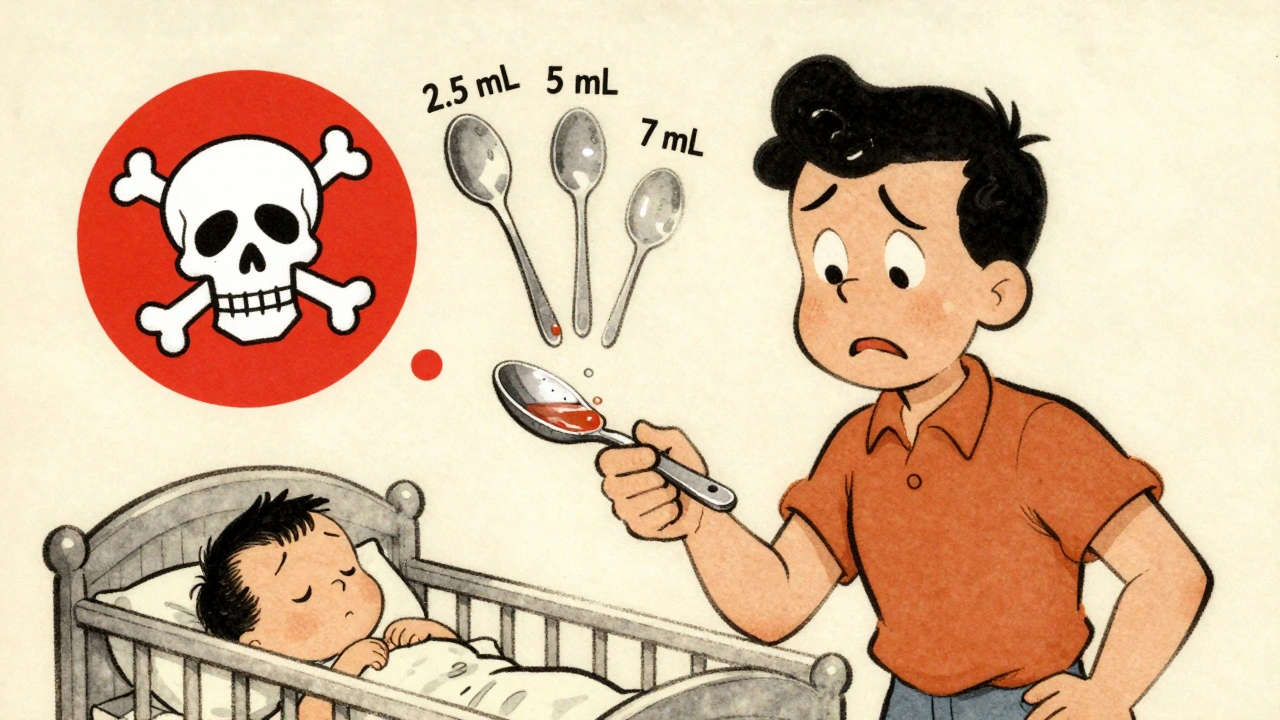
Learn how to safely dose antihistamines for children to avoid dangerous side effects. Discover why kitchen spoons, weight confusion, and outdated meds like Benadryl put kids at risk-and what to do instead.
full article