When spinal inflammation, the swelling of tissues around the spinal cord or vertebrae that leads to pain, stiffness, and sometimes nerve damage. Also known as spinal cord inflammation, it can come from infections, injuries, or autoimmune conditions like ankylosing spondylitis. This isn’t just a sore back—it’s your body’s immune system going into overdrive, often without a clear trigger. Many people mistake it for simple muscle strain, but if the pain lingers, spreads, or wakes you up at night, it’s likely more serious.
Anti-inflammatory drugs, medications designed to reduce swelling and pain by blocking chemical signals in the body are the first line of defense. NSAIDs like ibuprofen help with mild cases, but for chronic inflammation, stronger options like corticosteroids or biologics may be needed. These aren’t just painkillers—they target the root cause, slowing down the immune attack on your spine. But they come with trade-offs: stomach issues, weakened immunity, or even bone thinning over time. That’s why matching the right drug to your specific type of inflammation matters more than ever.
Autoimmune disorders, conditions where the body attacks its own tissues, often targeting joints and spinal structures are behind many long-term cases. Ankylosing spondylitis, for example, doesn’t just hurt—it can fuse vertebrae together over years. Rheumatoid arthritis can also creep into the spine. And here’s the catch: these conditions don’t show up on a regular X-ray right away. Blood tests and MRIs are often needed to confirm them. That’s why so many people suffer for months before getting the right diagnosis.
It’s not just about pills. Physical therapy, posture correction, and even stress management play a real role. When inflammation flares, movement becomes harder, but staying still makes it worse. That’s why some of the most effective treatments combine medication with gentle exercise. And if you’re on long-term steroids or biologics, monitoring for side effects isn’t optional—it’s essential. Things like infections, blood sugar spikes, or mood changes can sneak up on you.
You’ll find posts here that dig into exactly how these treatments work—what actually happens when an antibiotic messes with your gut and worsens spinal pain, how certain diabetes drugs can accidentally trigger inflammation, and why mixing alcohol with anti-inflammatories is riskier than most think. There’s no fluff, no guesswork. Just clear, practical info on what helps, what hurts, and what you need to ask your doctor before you start—or stop—any treatment.
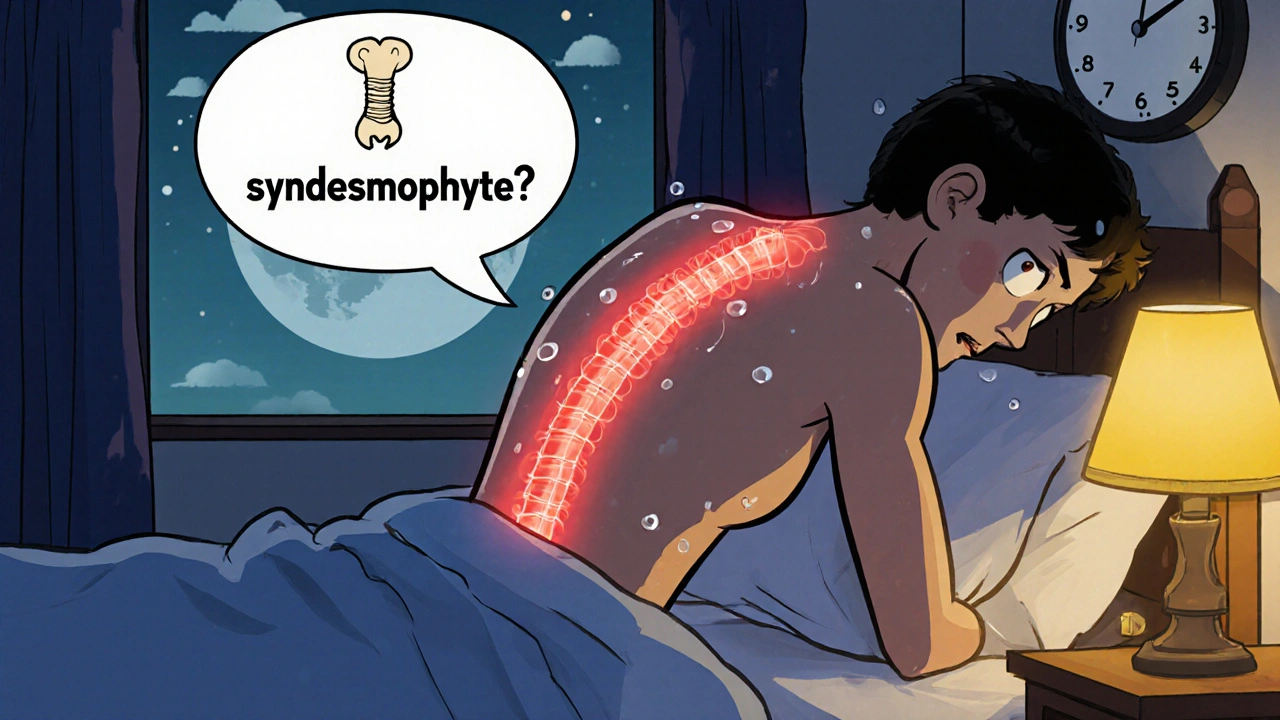
Ankylosing spondylitis causes chronic spine inflammation and stiffness, but early movement and treatment can prevent fusion. Learn proven mobility strategies, medication options, and daily habits to stay active and independent.
full article