When we talk about throat cancer HPV, a type of head and neck cancer caused by the human papillomavirus. Also known as HPV-positive oropharyngeal cancer, it’s no longer just an older adult issue—it’s increasingly common in people in their 30s and 40s, often without a history of smoking or heavy drinking. Unlike traditional throat cancers tied to tobacco, this form grows in the tonsils or base of the tongue and responds better to treatment when caught early.
The human papillomavirus, a group of over 200 related viruses, with types 16 and 18 being the most dangerous for cancer development is spread through skin-to-skin contact, including oral sex. Most people clear it naturally, but in a small percentage, the virus lingers and triggers abnormal cell growth. This isn’t about promiscuity—it’s about exposure. Even people with one partner can get infected. The good news? HPV vaccination, a preventive tool recommended for teens and young adults can block the most dangerous strains before infection ever happens. It’s not too late for adults up to age 45 to benefit, especially if they haven’t been exposed yet.
People diagnosed with throat cancer HPV often face treatment plans involving radiation, chemotherapy, or both. But here’s what many don’t realize: these treatments can cause long-term side effects like dry mouth, trouble swallowing, and even nerve damage. Some patients end up needing feeding tubes for months. And while survival rates are higher than with tobacco-related throat cancer, recovery isn’t just about beating the tumor—it’s about rebuilding your ability to eat, speak, and live normally. That’s why understanding drug interactions matters. For example, if you’re on pain meds or antibiotics during treatment, some can worsen side effects or interfere with how your body processes chemo. You might not think about how a simple antibiotic like clarithromycin could interact with your cancer meds, but it can. That’s why knowing your full medication list is part of your survival plan.
There’s also a gap in awareness. Many people think HPV only causes cervical cancer. But it’s now the leading cause of oropharyngeal cancer in the U.S., surpassing cervical cancer in some age groups. And while screening for cervical cancer is routine, there’s no standard screening test for throat cancer HPV. That means symptoms like a persistent sore throat, trouble swallowing, or a lump in the neck can’t be ignored. If it lasts more than two weeks, see a doctor. Early detection saves lives.
In the posts below, you’ll find real, practical insights on how medications interact during cancer treatment, what side effects to watch for, and how to manage them safely. You’ll learn about drug toxicity risks, why timing matters with antibiotics, and how to avoid dangerous combinations—like those that can worsen nerve damage or suppress your immune system when you’re already vulnerable. These aren’t theoretical discussions. They’re lessons from people who’ve been through it.
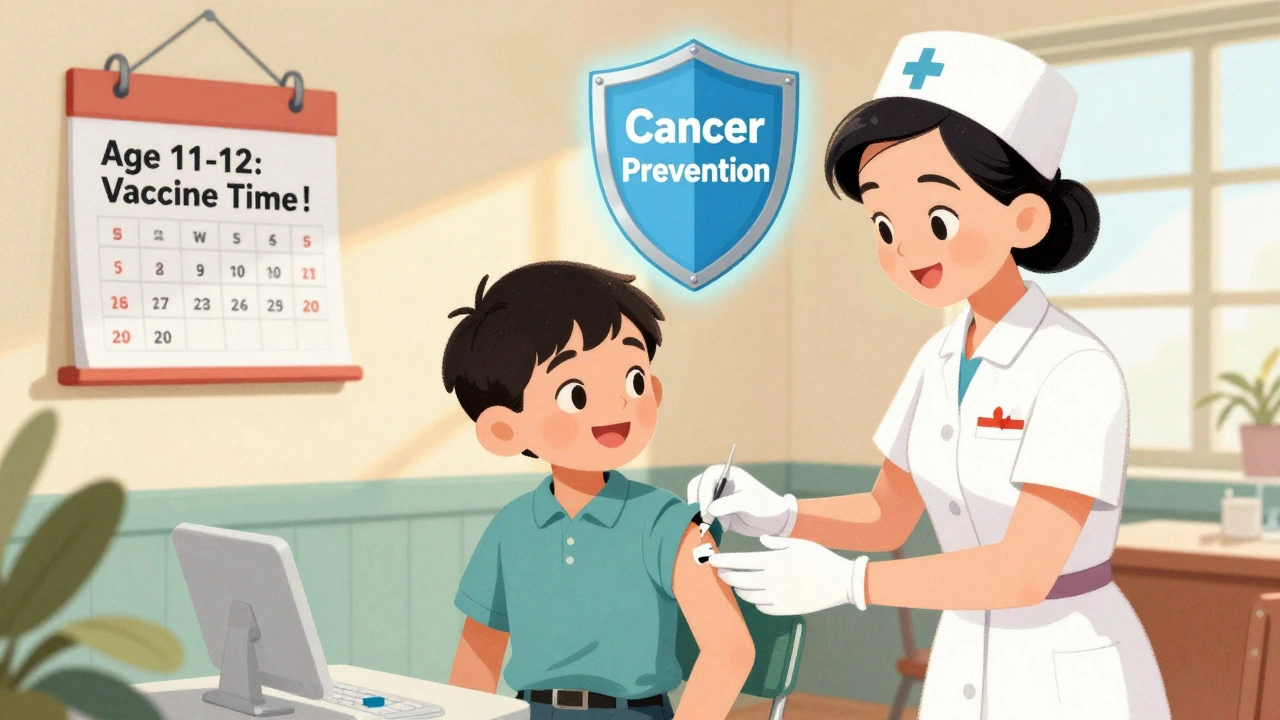
HPV causes throat, anal, and cervical cancers-but vaccination can prevent most of them. Learn how rising throat cancer rates in men highlight the urgent need for better vaccine uptake and why screening alone isn't enough.
full article