When a migraine hits, triptans, a class of prescription medications designed to stop migraine attacks by narrowing blood vessels in the brain and blocking pain pathways. Also known as serotonin receptor agonists, they’re one of the most targeted treatments for acute migraine pain. Unlike painkillers that just dull the hurt, triptans act directly on the biological triggers of a migraine—making them faster and more effective for many people.
There are several types of triptans, including sumatriptan, rizatriptan, and eletriptan. Each works similarly but varies in how fast it kicks in, how long it lasts, and how it’s taken—tablet, nasal spray, or injection. Sumatriptan, the first and most widely used triptan, is often the starting point because it’s been studied the most. But if one doesn’t work, another might. It’s not about which is stronger—it’s about which fits your body.
Triptans aren’t safe for everyone. If you have heart disease, uncontrolled high blood pressure, or a history of stroke, they can raise your risk of serious problems. That’s why they’re prescription-only. And if you’re taking other meds like SSRIs or SNRIs for depression, there’s a small but real chance of serotonin syndrome—a rare but dangerous buildup of serotonin in your system. It’s rare, but knowing the signs—confusion, rapid heartbeat, muscle stiffness—could save your life.
They also don’t work for everyone. Some people find relief with triptans, others don’t. And if you’re using them more than 10 days a month, you might be heading toward medication-overuse headaches. That’s why doctors often pair them with preventive strategies—like lifestyle changes or daily meds—instead of relying on them as a fix-all.
What you’ll find below isn’t just a list of articles. It’s a collection of real-world insights on how triptans fit into the bigger picture of migraine care. You’ll read about how they interact with other drugs like antidepressants and antibiotics, what alternatives exist when triptans fail, and why timing matters just as much as dosage. Some posts dig into the science. Others share what patients actually experience. All of it is meant to help you make smarter choices—whether you’re taking triptans now, considering them, or just trying to understand why your doctor recommended them.
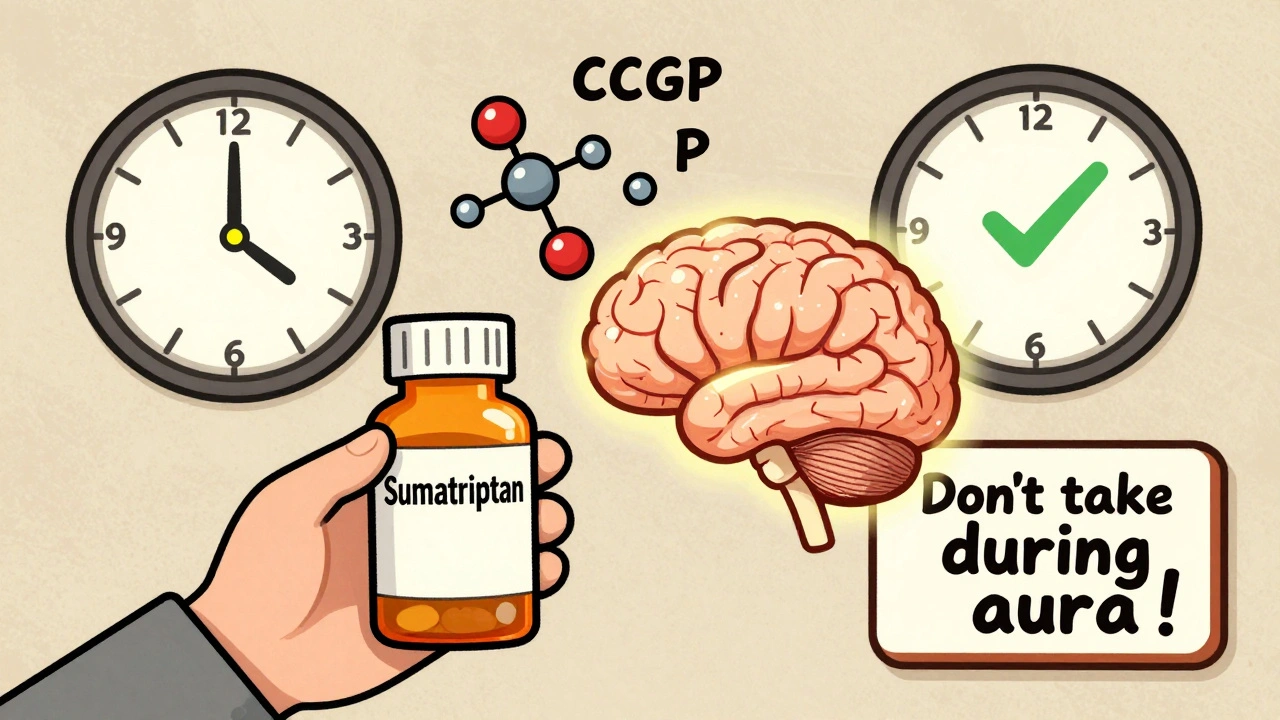
Triptans are a top choice for migraine relief, but they come with serious risks like heart strain, serotonin syndrome, and medication-overuse headaches. Learn who should avoid them, why they sometimes fail, and what to do next.
full article