When you pick up a prescription, you might see two options: a familiar brand name or a cheaper generic. But are they the same? Generic drugs, identical in active ingredient, strength, and dosage form to their brand-name counterparts, but sold without a brand label. Also known as non-brand drugs, they’re not cheaper because they’re weaker—they’re cheaper because the company didn’t pay to market them. The FDA requires them to work the same way, in the same amount of time, with the same safety profile. So why do some people feel different switching from brand to generic? Sometimes it’s the filler ingredients—the dyes, binders, or coatings—that change how fast the pill breaks down in your stomach. That’s why some folks stick with one manufacturer, even if it’s the generic version.
Brand-name drugs, the original version developed by a pharmaceutical company with patent protection and marketing behind it. Also known as originator drugs, they cost more because the company recovered R&D expenses through exclusive sales. But once the patent expires, other companies can make the same drug. That’s where authorized generics, exact copies made by the original brand company under a different label. Also known as same-company generics, they’re identical to the brand in every way—down to the pill shape and color. You might not know you’re taking one because the box looks different. But if you’ve had bad reactions switching generics before, an authorized generic could be your safest bet.
Then there’s bioequivalence, the scientific standard that proves a generic drug performs the same as the brand in your body. Also known as therapeutic equivalence, it’s not just about how much drug gets into your blood—it’s about how fast, how long, and how consistently. The FDA tests this with real people, not just lab machines. But here’s the catch: not all generics are made by the same company. One batch might come from India, another from Germany. If you’re on a drug where tiny differences matter—like warfarin, thyroid meds, or seizure drugs—you might notice changes when your pharmacy switches suppliers. That’s why some doctors and pharmacists recommend sticking with the same generic brand.
Most people do fine switching. For blood pressure pills, antidepressants, or antibiotics, the difference is usually invisible. But for conditions like epilepsy, heart rhythm disorders, or organ transplants, even small variations can be risky. That’s why you’ll see posts here about patients who had to go back to brand after a generic switch, or why some pharmacies won’t substitute certain meds without doctor approval. You’ll also find real stories about authorized generics—how they’re often the same pill, just repackaged—and why some people pay more than they need to because they don’t know the difference.
What you’ll find below isn’t theory. It’s what people actually experience when they switch. From the 2-hour timing rule for magnesium and osteoporosis drugs to why some generics cause more dizziness than others, these posts cut through the noise. You’ll learn how to read your prescription label, when to ask for a specific version, and how to spot if your generic isn’t working the same way it used to. No fluff. No marketing. Just what you need to make smarter choices about your meds—without paying more than you have to.
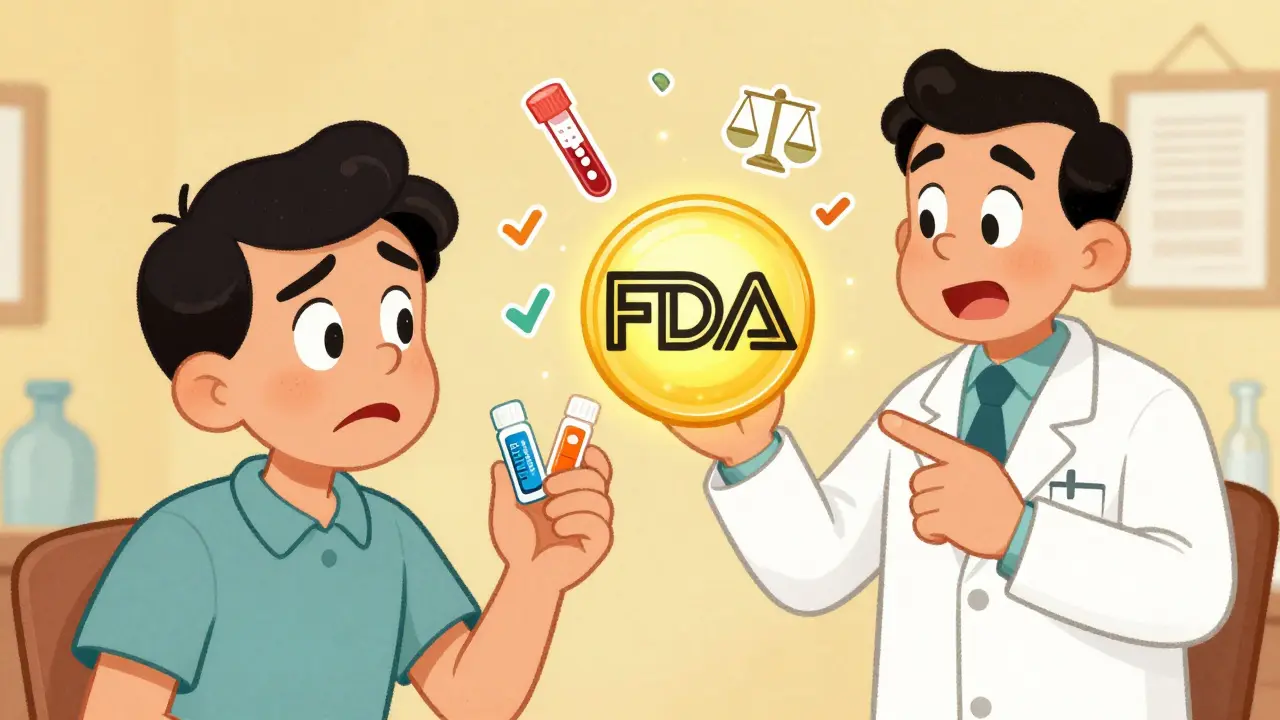
Learn the truth about generic medications: are they safe, effective, and really the same as brand-name drugs? Get clear answers to common patient concerns backed by FDA data and medical experts.
full article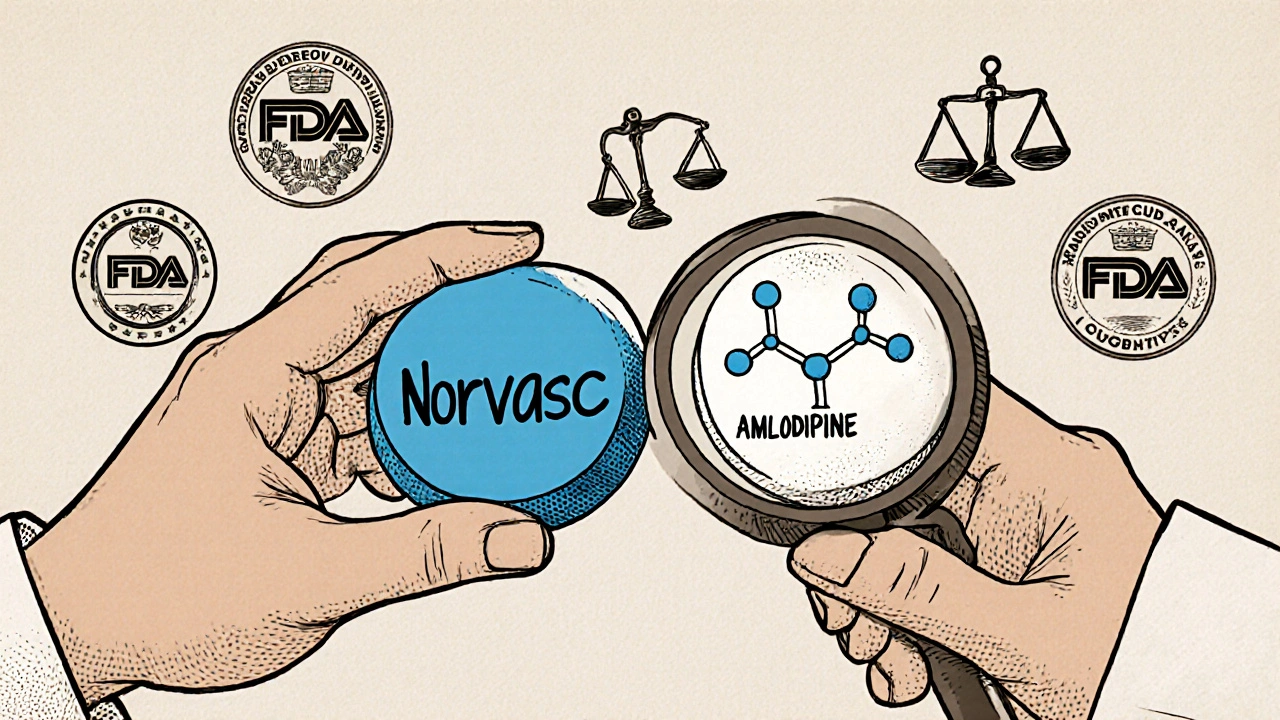
Generic drugs are not copies - they're scientifically proven equivalents to brand-name medications. Learn how they work, why they cost less, and when you should stick with the original.
full article