When you’re taking polypharmacy, the use of multiple medications at the same time, often five or more. Also known as multiple medication use, it’s not just common—it’s growing. About 40% of adults over 65 take five or more prescriptions, and many more mix in over-the-counter pills, supplements, and herbal products. This isn’t always a problem—but it can be deadly if the drugs clash.
Polypharmacy doesn’t just mean more pills. It means more chances for drug interactions, when two or more medications affect each other’s strength, speed, or safety. Take colchicine and macrolides, a combination that can cause deadly toxicity by blocking how the body clears the drug. Or magnesium supplements and osteoporosis drugs, where magnesium can block absorption if taken too close together. These aren’t rare cases—they’re documented, preventable disasters. Even something as simple as mixing NSAIDs and fluoroquinolones, a combo that hides early tendon warning signs, can lead to rupture. The problem isn’t the drugs themselves—it’s how they’re stacked without checking the full picture.
Many people don’t realize their pharmacist or doctor doesn’t always see the full list. A patient might take warfarin for blood thinning, then add a new antibiotic, a sleep aid, and a herbal supplement—all prescribed by different providers. No one connects the dots. That’s how adverse drug reactions, unexpected and harmful side effects from medication combinations sneak in. Symptoms like confusion, dizziness, muscle weakness, or sudden fatigue? They’re not just aging. They could be your meds talking to each other the wrong way. The same goes for generic drug allergies, where inactive ingredients like lactose or dyes trigger reactions, not the active drug. You think you’re safe because it’s a generic—but the filler could be the problem.
What makes polypharmacy worse is that we treat each condition in isolation. High blood pressure? Take this. Arthritis? Take that. Sleep trouble? Here’s another. But no one asks: "What happens when you take them all together?" That’s why you’ll find posts here about polypharmacy risks—from how linezolid and antidepressants might trigger serotonin syndrome, to why antihistamines for kids can cause overdose when dosed wrong, to how timing antibiotics across time zones can lead to resistance. These aren’t random stories. They’re all pieces of the same puzzle: too many pills, too little oversight.
You don’t have to live in fear of your medicine cabinet. But you do need to be smart. Know what you’re taking. Ask your doctor or pharmacist: "Could any of these hurt each other?" Keep a written list. Bring it to every appointment. Don’t assume a new pill is safe just because it’s over-the-counter or natural. The truth? The more pills you take, the higher the chance one of them will turn dangerous. The good news? Most of these risks are avoidable—with the right questions and a little vigilance. Below, you’ll find real cases, real data, and real fixes—no fluff, just what you need to stay safe when you’re on multiple meds.
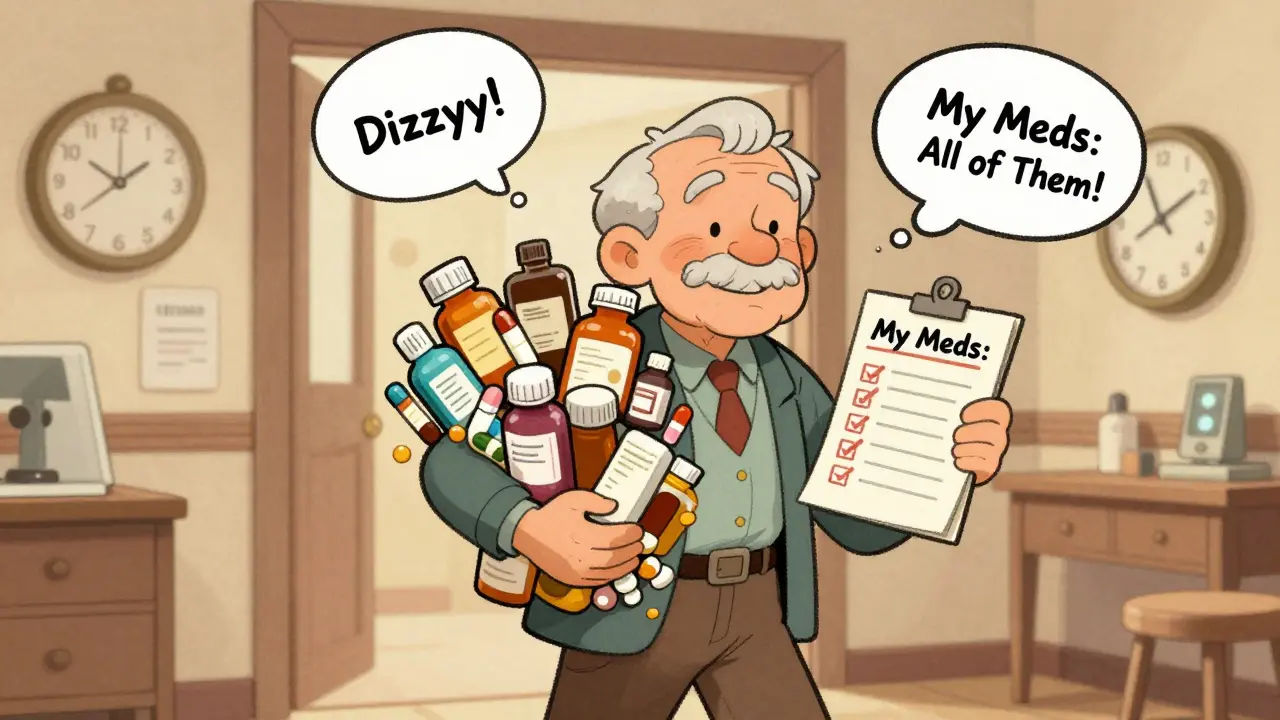
Learn exactly what to bring, what to ask, and how to prepare for a medication review appointment to avoid dangerous drug interactions and ensure your treatment is still right for you.
full article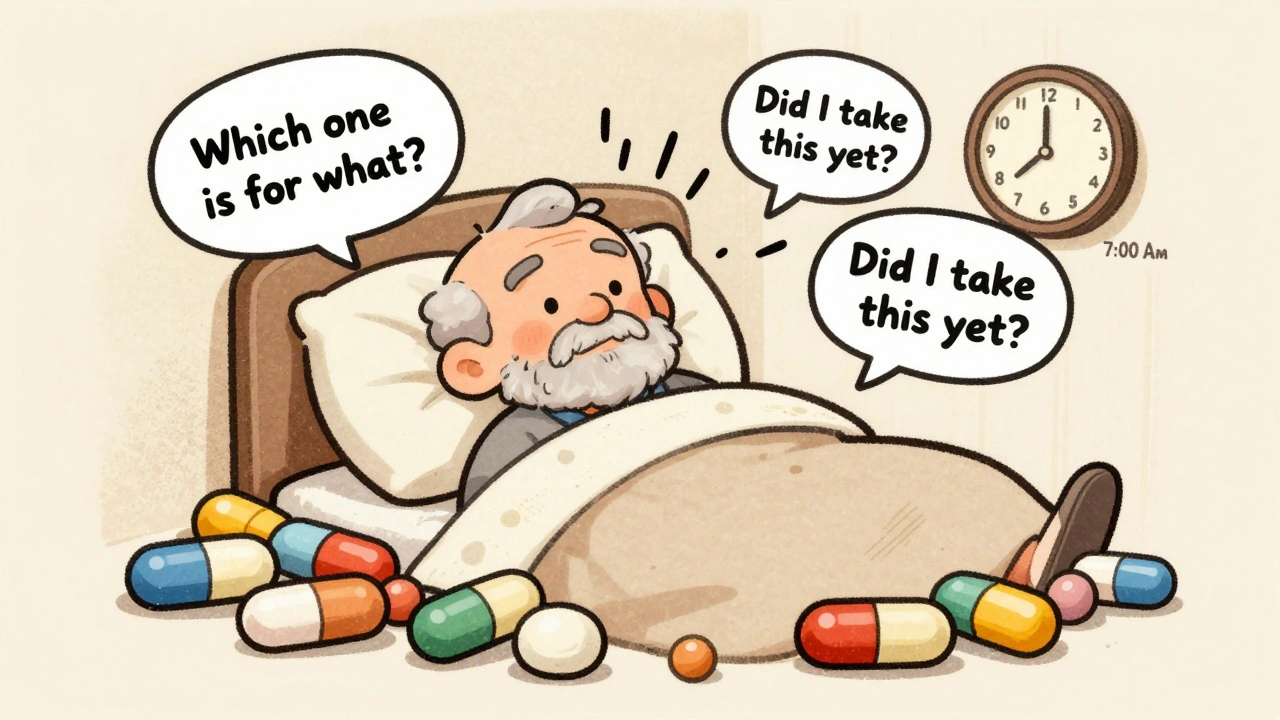
Taking five or more medications increases your risk of side effects, falls, hospital stays, and even death. Learn how polypharmacy works, why it's dangerous, and what you can do to stay safe.
full article