When you hear therapeutic equivalence, the official designation that two drugs produce the same clinical effect and safety profile in patients. Also known as bioequivalence, it means your generic pill isn’t a cheaper knockoff—it’s a scientifically proven match for the brand-name version. This isn’t marketing fluff. It’s a strict standard set by health regulators like the FDA and EMA. If two drugs are therapeutically equivalent, you can swap them without losing control of your condition—whether you’re managing high blood pressure, diabetes, or depression.
But here’s the catch: not all generics are created equal. generic drugs, medications with the same active ingredient as brand-name drugs but sold under a different name must pass rigorous tests to prove they release the same amount of medicine into your bloodstream at the same speed. That’s bioequivalence, the measurable standard that ensures generic and brand drugs behave the same way in your body. If a generic passes this test, it’s listed in official databases as therapeutically equivalent. You can trust it. But if it doesn’t? That’s when you might notice differences—like side effects changing or your condition becoming harder to control.
Why does this matter to you? Because switching from a brand-name drug to a generic can cut your monthly cost by 80% or more. Many people avoid generics out of fear they won’t work. But if the drug is labeled therapeutically equivalent, that fear isn’t based on science. It’s based on myths. Your pharmacist is required to substitute a therapeutically equivalent generic unless your doctor says no. And if you’re on a long-term medication like warfarin, statins, or antidepressants, getting the right version matters more than you think. A small change in how your body absorbs the drug can throw off your INR, cholesterol levels, or mood stability.
Some drugs are trickier than others. Thin-wall capsules, extended-release tablets, and complex formulations like inhalers or patches don’t always play nice with generic versions. That’s why you’ll see posts here about drug interactions, medication safety, and prescription labels—they all tie back to whether you’re getting what you’re supposed to. If your doctor switches your meds, or your pharmacy gives you a different pill, check if it’s marked as therapeutically equivalent. Don’t assume. Ask. Look it up. Your health isn’t a gamble.
Below, you’ll find real-world examples of how therapeutic equivalence affects everyday treatment—from antivirals and diabetes pills to cholesterol meds and antidepressants. These aren’t theory pieces. They’re stories from people who’ve been there: the one who switched to a generic Lipitor and saw no change, the one who had a dangerous spike in INR after an unapproved substitution, the one who saved hundreds a month without losing control of their condition. You’ll learn when to speak up, what to ask your pharmacist, and how to spot the red flags that mean you might need to stick with the brand.
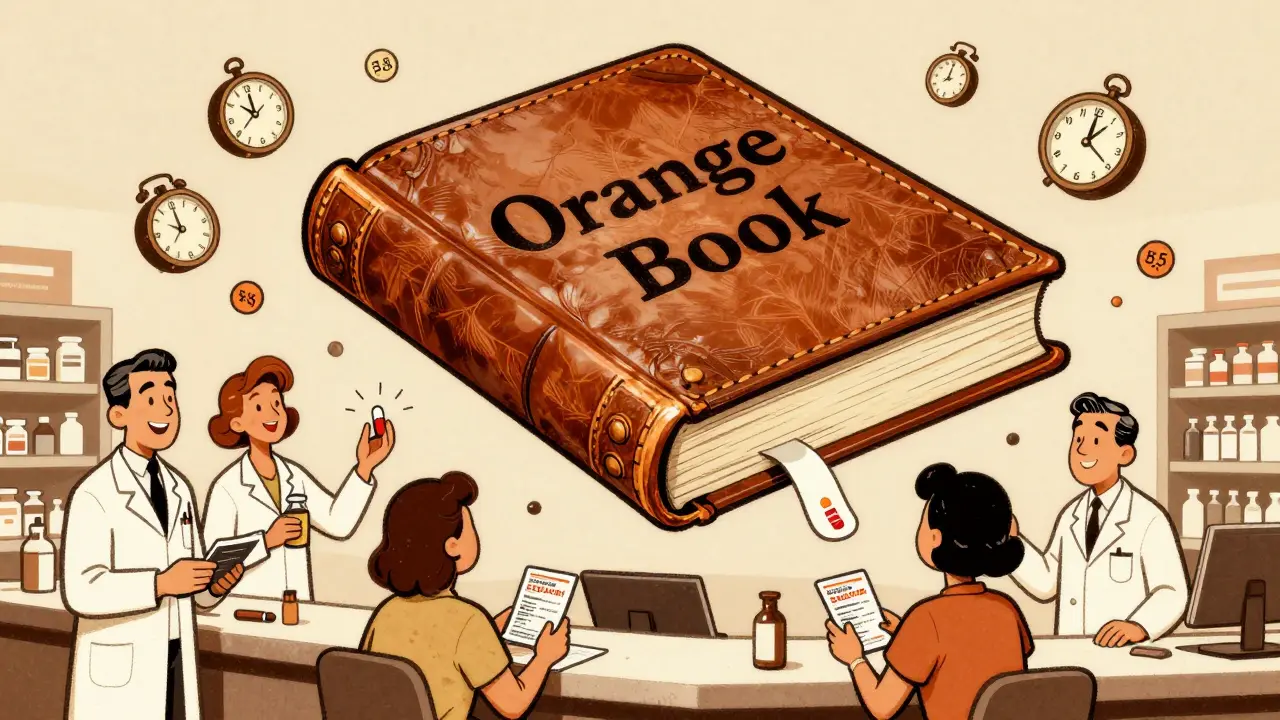
The Orange Book database from the FDA lists approved prescription drugs, their patents, and therapeutic equivalence ratings - enabling generic competition and saving billions in healthcare costs.
full article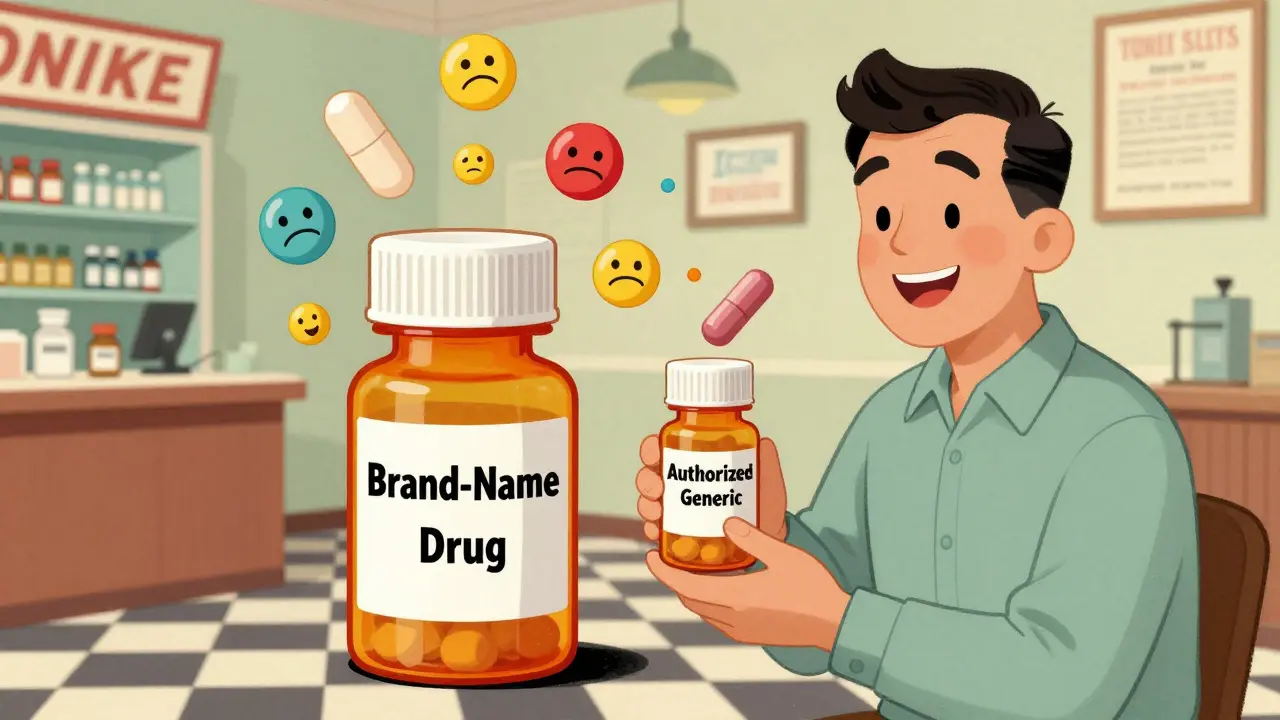
Authorized generics offer the same medication as brand-name drugs at lower prices, with no formulation changes - making them a safer, more reliable option for patients switching from brand-name prescriptions.
full article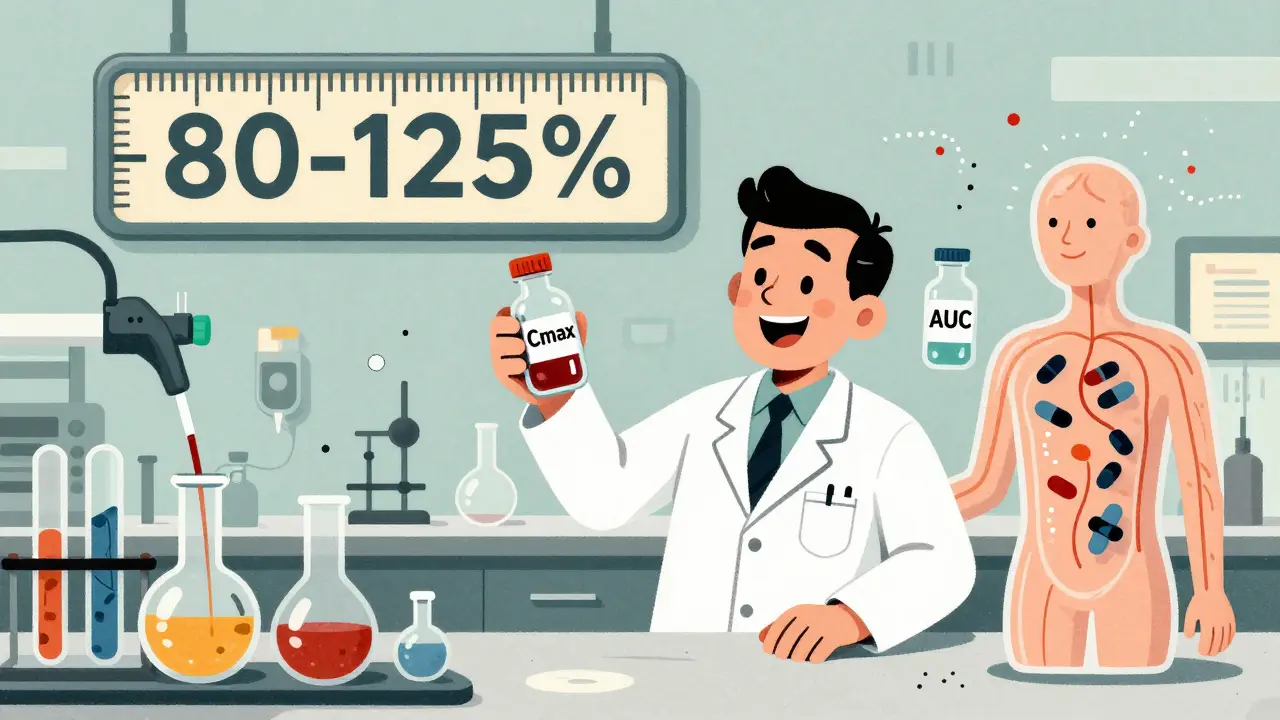
Pharmacokinetic studies are the main way regulators prove generic drugs work like brand-name versions. But they're not perfect - especially for complex or topical medications. Here's how they work, where they fall short, and what's changing in drug approval.
full article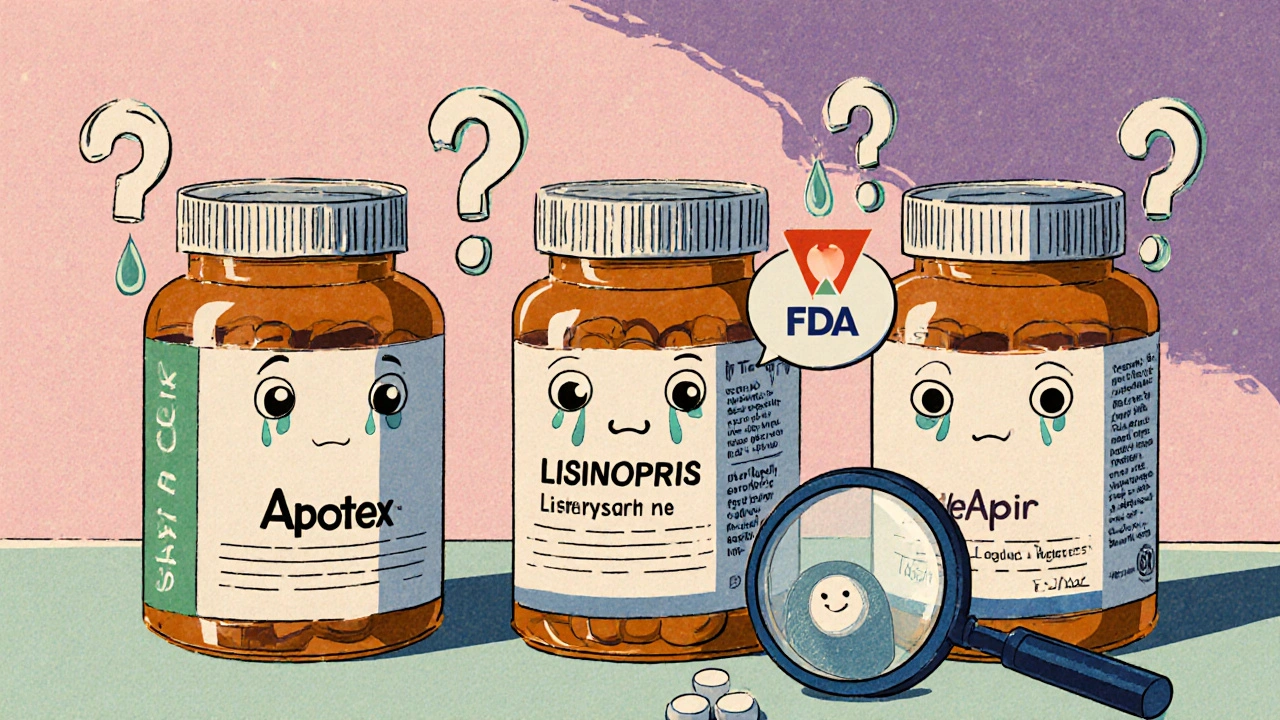
Learn how to choose between generic medications safely. Understand bioequivalence, therapeutic ratings, and when to stick with one manufacturer to avoid health risks.
full article