When you take a drug side effect, an unintended reaction to a medication that isn’t the intended therapeutic outcome. Also known as adverse drug reaction, it’s not a bug—it’s a feature of how your body responds to chemicals designed to change how it works. Almost every medicine, whether prescription or over-the-counter, comes with them. Some are mild, like a dry mouth or a headache. Others? They can be serious enough to land you in the hospital.
What makes drug interactions, when two or more drugs react in a way that changes their effect on your body so dangerous is how sneaky they are. You might be taking a common painkiller like acetaminophen, not realizing it can damage your liver when mixed with herbal supplements like black cohosh. Or you’re on warfarin for blood thinning, and an antibiotic spikes your INR levels, turning a routine trip to the pharmacy into a bleeding risk. Even something as simple as alcohol can turn a safe anxiety med like Xanax into a breathing hazard. These aren’t rare cases—they happen every day, often because people assume natural means safe, or that their doctor already checked everything.
medication side effects, the predictable, often documented reactions tied to a specific drug’s chemical action aren’t random. They’re tied to how the drug moves through your body, what organs it touches, and how your genes process it. Alfuzosin can make you dizzy if you stand up too fast. Meglitinides can drop your blood sugar if you skip a meal. Antivirals can trigger resistance if you don’t finish the course. These aren’t accidents—they’re known outcomes, and you can manage them. Taking alfuzosin after food, avoiding alcohol with benzodiazepines, tracking your INR when on antibiotics—these aren’t just tips. They’re survival tactics.
The real problem isn’t the side effects themselves. It’s that most people don’t know what to watch for, or worse, they ignore them until it’s too late. A study in the Journal of the American Medical Association found that over 1 in 5 hospital admissions for older adults are due to preventable drug reactions. That’s not bad luck. That’s a system failure—and you can protect yourself. You don’t need to be a doctor to spot the red flags: unusual fatigue, skin rashes, sudden mood shifts, or pain that doesn’t match your diagnosis. Write it down. Talk to your pharmacist. Don’t assume your doctor knows every pill you’re taking.
What follows is a collection of real, practical guides written for people who’ve been burned by side effects—or want to avoid it altogether. You’ll find deep dives into how Dapoxetine causes dizziness, why Super Levitra isn’t approved everywhere, how black cohosh can wreck your liver, and why mixing opioids with sleep aids can stop your breathing. You’ll learn how to read your prescription label so you don’t take expired meds, how to tell if a generic is truly safe, and when an herbal supplement is more risky than a prescription. This isn’t theory. It’s what people actually deal with. And it’s all here, in plain language, so you don’t have to guess your way to safety.
Learn what black box warnings on prescription medications mean, why the FDA issues them, and how to manage your health safely when your drug carries a serious safety alert.
full article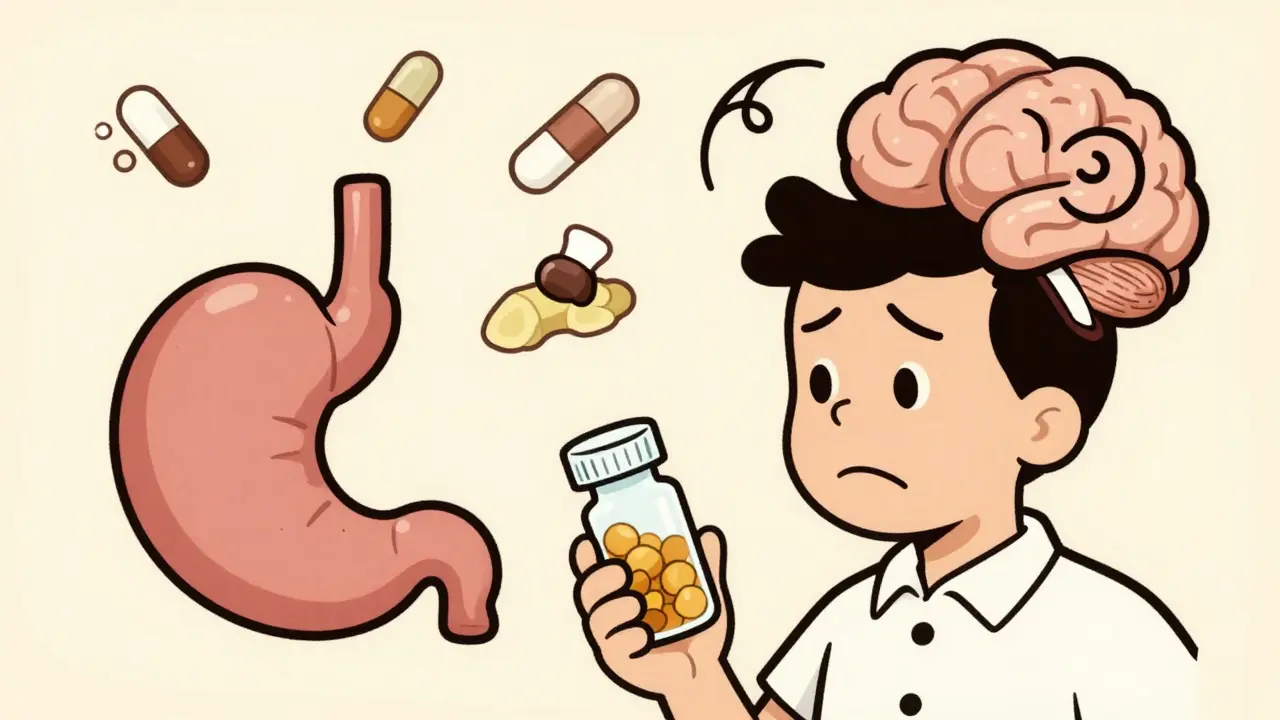
Nausea and vomiting from medications are common but manageable. Learn practical steps to prevent and relieve drug-induced nausea, from dietary tips to proven antiemetics and new 2026 treatments.
full article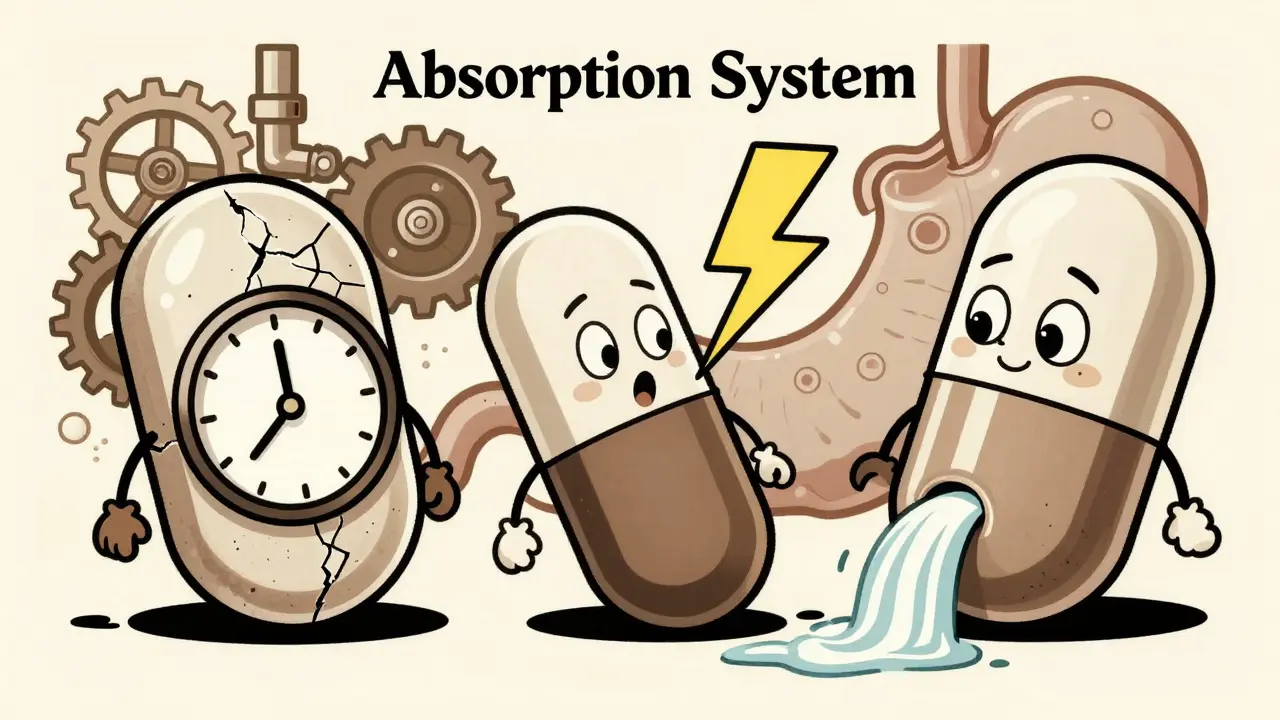
Learn how tablet, capsule, and extended-release formulations affect how your medicine works-and why side effects change based on the form you take. Understand cost, safety, and what to ask your pharmacist.
full article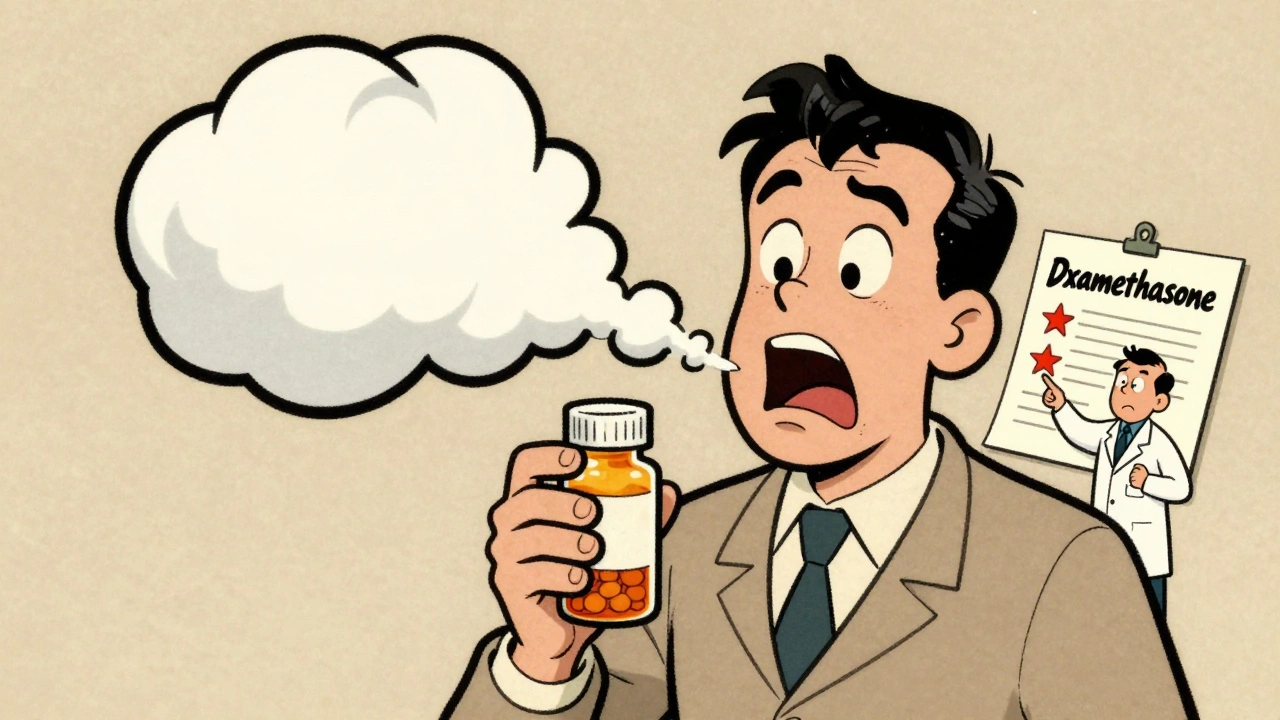
Many medications, especially steroids and opioids, can trigger persistent hiccups. Learn which drugs are most likely to cause them, what actually works to stop them, and how to talk to your doctor about this overlooked side effect.
full article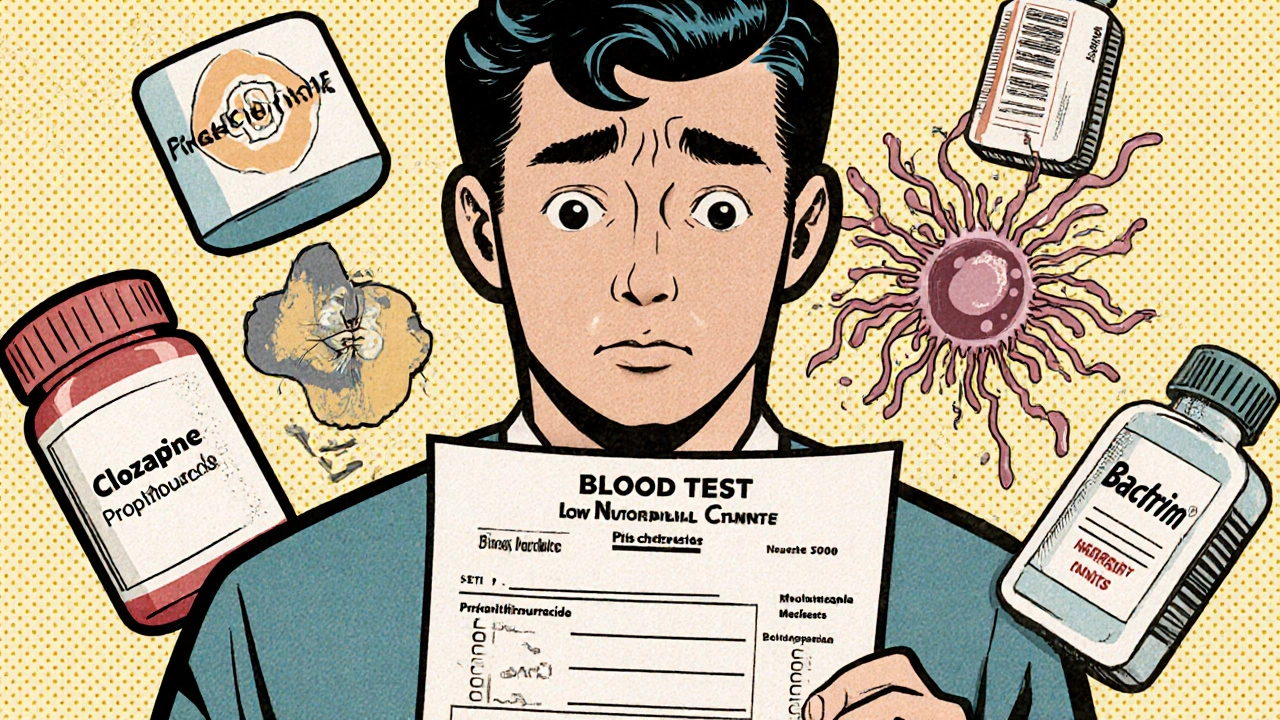
Medication-induced agranulocytosis is a rare but deadly drop in white blood cells that can lead to fatal infections. Learn which drugs cause it, how to monitor for it, and what to do if symptoms appear.
full article