When it comes to medication safety, the practice of using drugs correctly to avoid harm, prevent dangerous reactions, and ensure effectiveness. Also known as drug safety, it’s not just about reading labels—it’s about understanding how your pills talk to each other, your body, and even your travel plans. In November 2025, our most-read articles didn’t just warn about risks—they showed you how to avoid them in real life. From the quiet danger of mixing antidepressants with antibiotics to the hidden cost of skipping a dose while crossing time zones, the real threats aren’t always obvious.
One of the biggest surprises? drug interactions, when two or more medications affect each other’s behavior in the body, leading to reduced effectiveness or dangerous side effects. Also known as medication conflicts, they’re not always rare or extreme. Linezolid and SSRIs? The risk of serotonin syndrome is lower than you’ve been told—under 0.5%. But magnesium and osteoporosis drugs? That two-hour gap isn’t optional. It’s the difference between your bones healing or crumbling. And if you’re on warfarin, INR monitoring, the process of measuring blood thinning levels to keep anticoagulation therapy safe and effective. Also known as anticoagulation tracking, it’s your personal early-warning system for bleeding or clotting. Skipping a test because you feel fine? That’s how emergencies start.
Then there’s the quiet revolution in how we get our meds. generic drugs, medications that are chemically identical to brand-name versions but sold at lower prices after patent expiration. Also known as non-brand drugs, they’re not copies—they’re certified equals. But not all generics are made the same. Authorized generics? Made by the original brand’s factory. Traditional generics? Sometimes sourced from different plants with different quality controls. And that supply chain? It starts in factories in China and India, moves through layers of distributors, and ends on your shelf—often under financial strain. Knowing the difference isn’t about brand loyalty. It’s about knowing your medicine hasn’t been cut corners on.
And if you’re traveling, timing matters more than you think. Taking antimalarials or HIV meds at the wrong hour across time zones doesn’t just reduce protection—it breeds drug-resistant strains. Same with alfuzosin: take it on an empty stomach and you risk fainting. Take it after food, move slowly, avoid alcohol, and you’re fine. Black cohosh might ease menopause symptoms, but pair it with statins or acetaminophen? You’re asking for liver damage. These aren’t hypotheticals. These are real choices people make every day, and the consequences stick.
What you’ll find below isn’t a list of articles. It’s a toolkit. From how to read your prescription label’s refill-by date to why nebulizers aren’t always better than inhalers, from spotting early signs of agranulocytosis to choosing between Dapoxetine and behavioral therapy for premature ejaculation—every post cuts through the noise. No fluff. No marketing. Just what works, what doesn’t, and why.
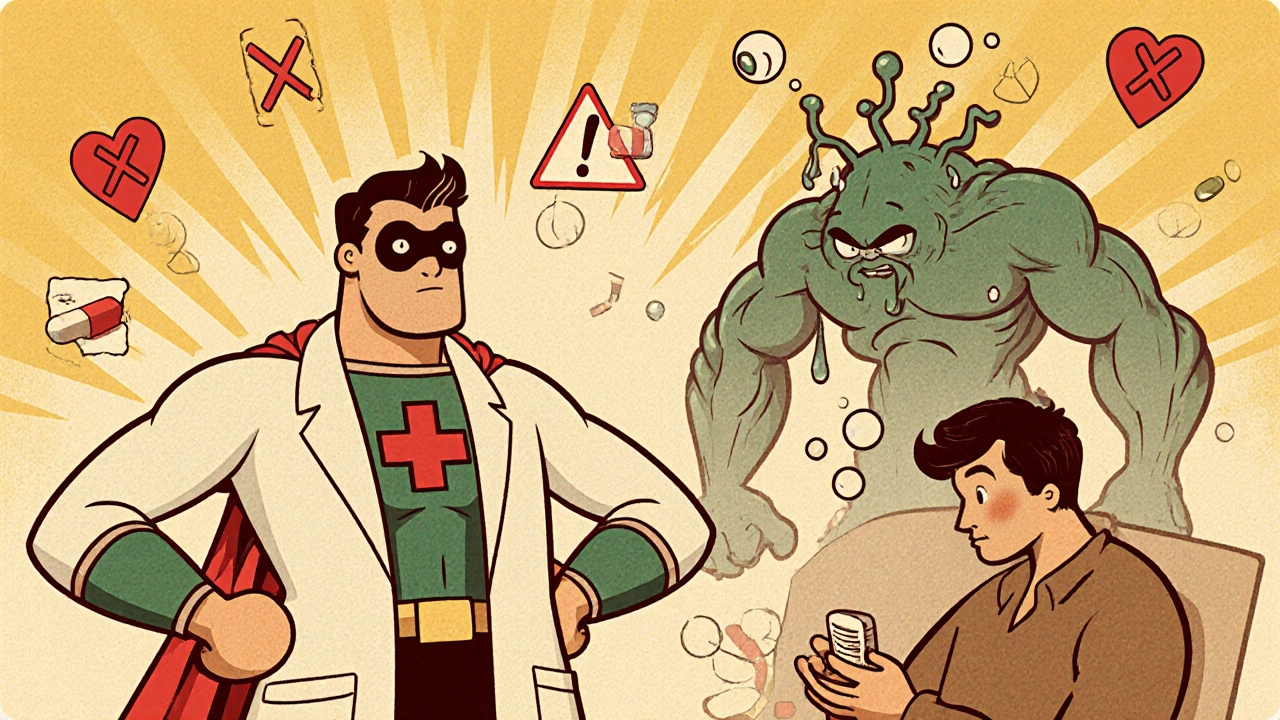
Linezolid and antidepressants together carry a low risk of serotonin syndrome-less than 0.5%. New studies show the danger is overblown. Here’s what you really need to know before taking both.
full article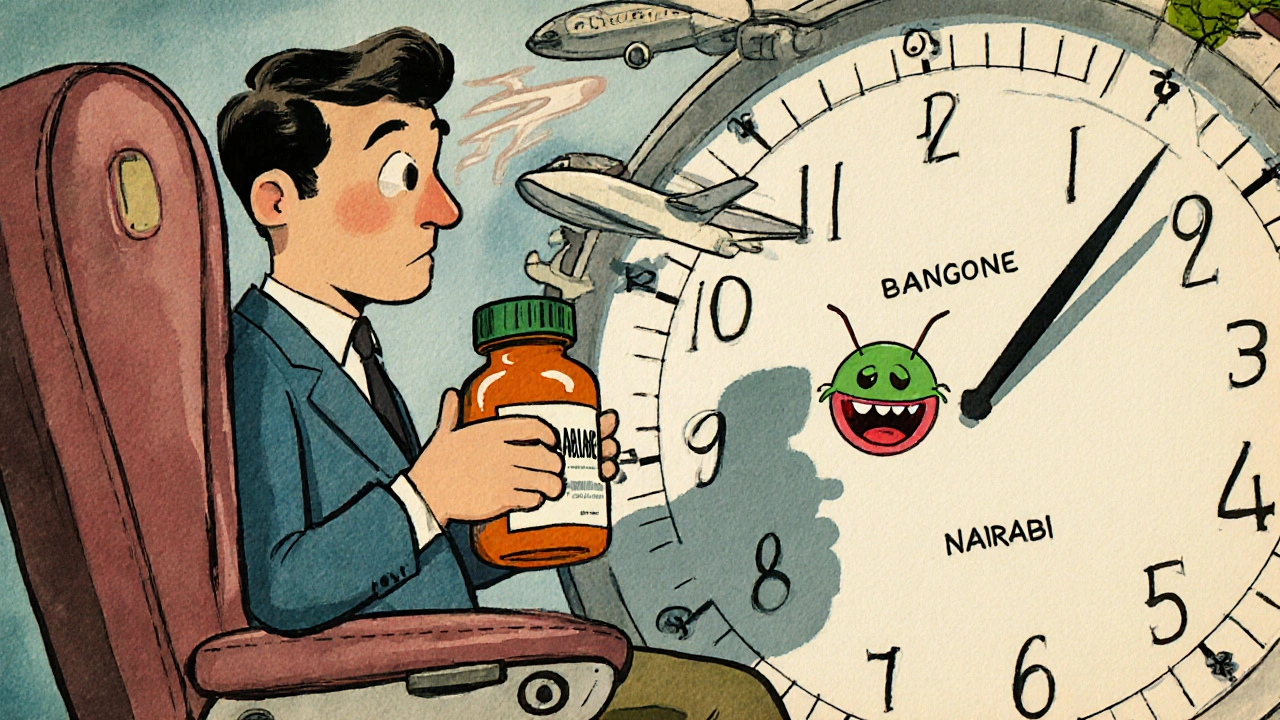
Learn how to time antimalarials and HIV medications across time zones to avoid treatment failure, drug resistance, and dangerous gaps in protection. Essential tips for travelers.
full article
Learn how generic drugs travel from factories in China and India to your pharmacy shelf, the hidden players in pricing, and why these life-saving medications are under financial pressure.
full article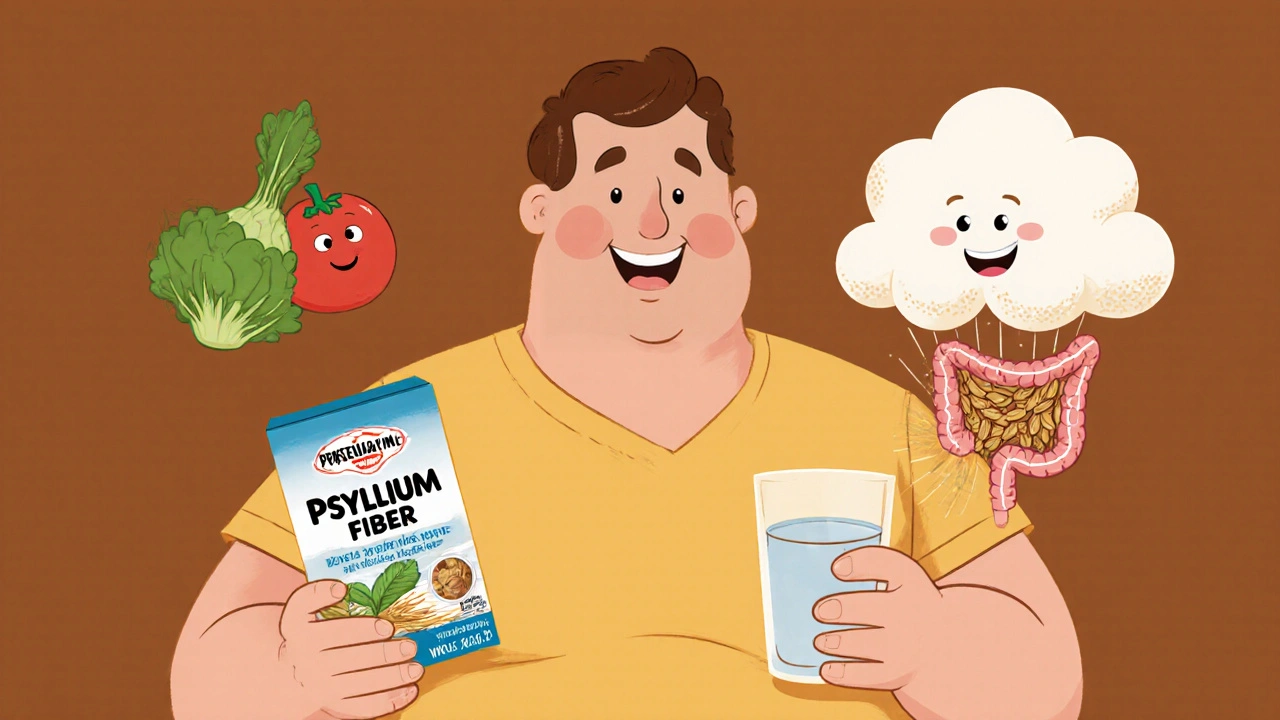
Learn which OTC constipation remedies actually work-fiber, stool softeners, and laxatives-based on clinical evidence, user reviews, and doctor guidelines. Find out what to use, what to avoid, and how to use them safely.
full article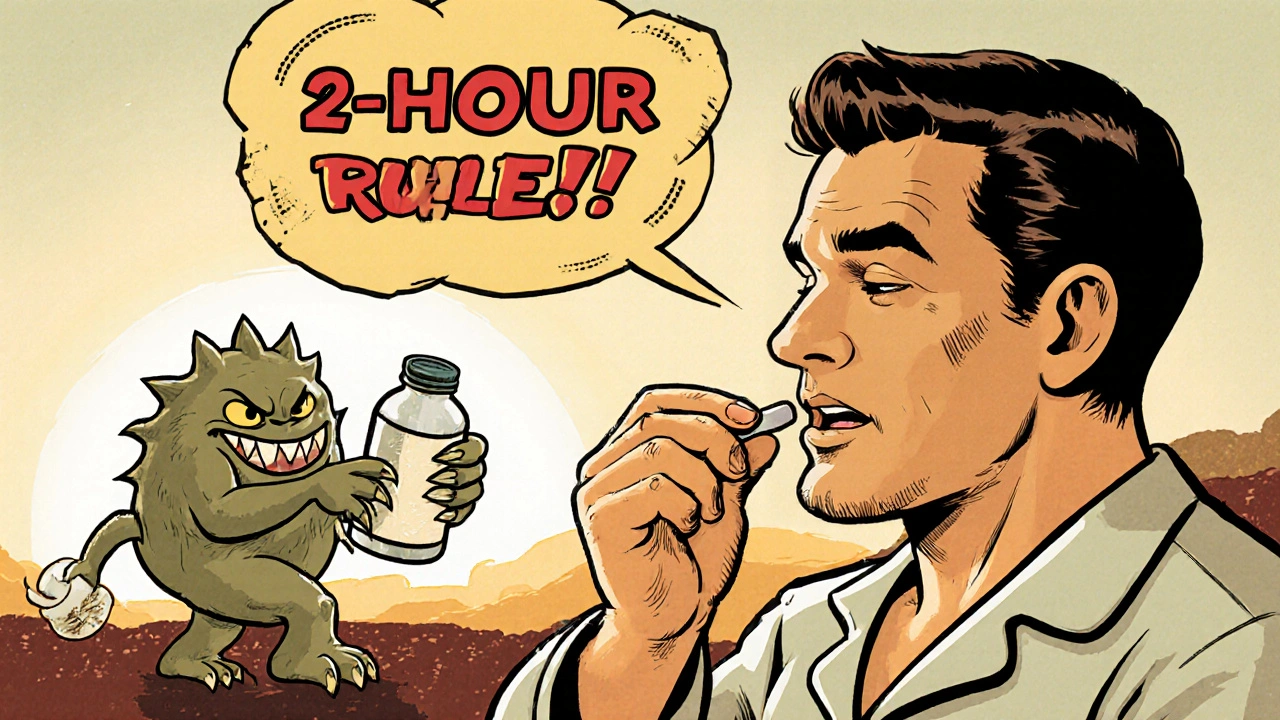
Magnesium supplements can block osteoporosis medications like Fosamax from working if taken too close together. Follow the two-hour timing rule to protect your bone density and avoid treatment failure.
full article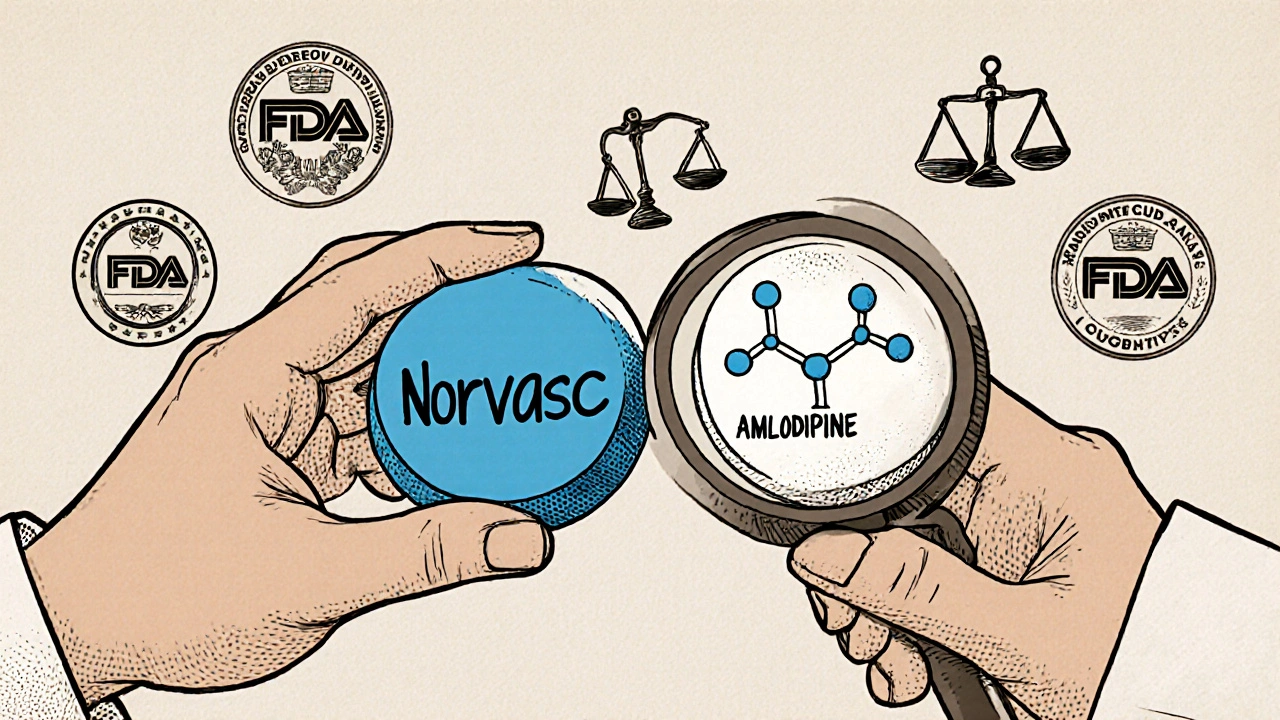
Generic drugs are not copies - they're scientifically proven equivalents to brand-name medications. Learn how they work, why they cost less, and when you should stick with the original.
full article
Learn how manufacturers use corrective actions to fix quality problems at their root, not just the surface. Discover the 6-step CAPA process, why most fail, and how real companies cut defects and passed audits.
full article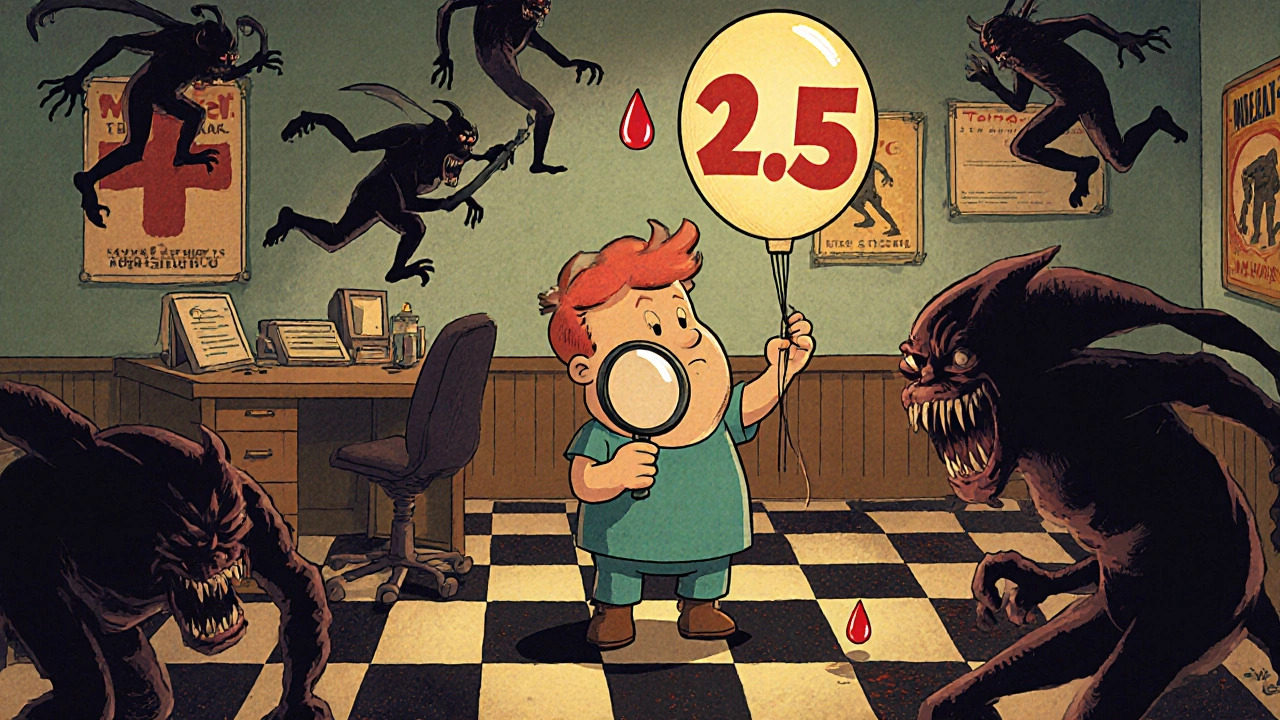
Learn how INR monitoring keeps blood thinners like warfarin safe and effective. Understand target ranges, testing frequency, home devices, and what to do when your numbers are off.
full article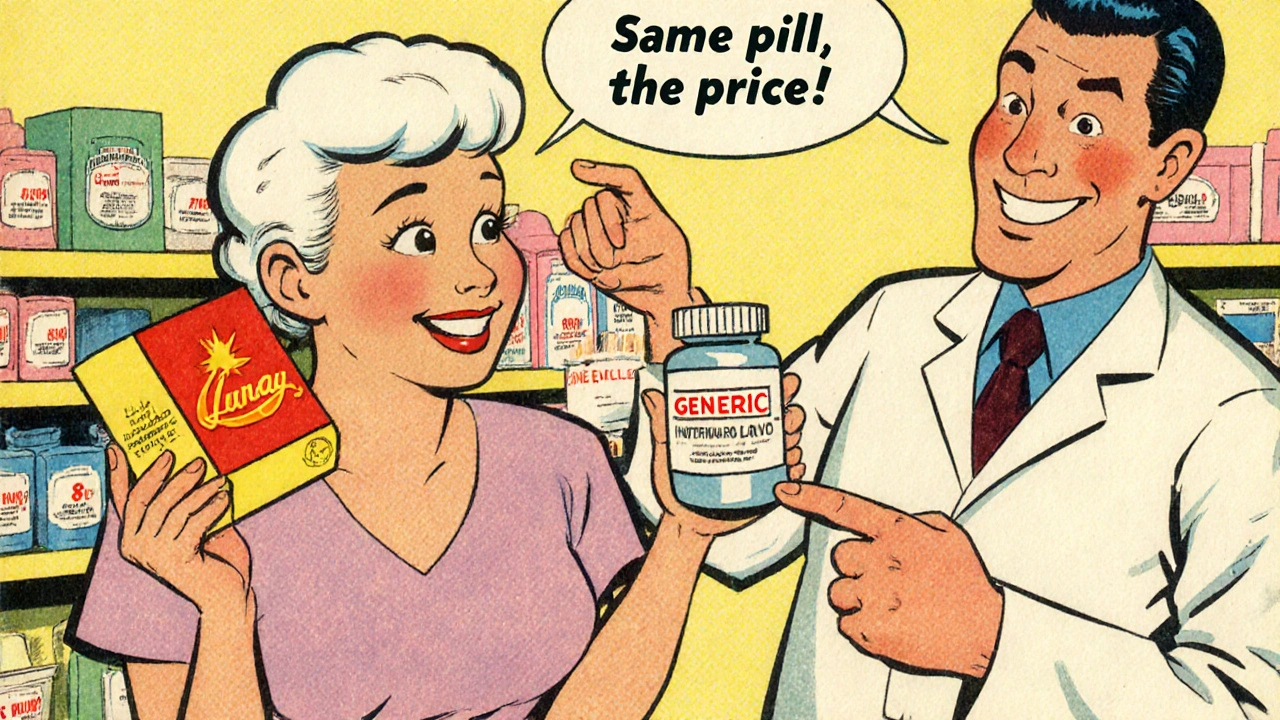
Many patients switch to generics without knowing the difference between authorized and traditional versions. Authorized generics are identical to brand-name drugs, made by the same company. Here’s what people actually prefer-and why.
full article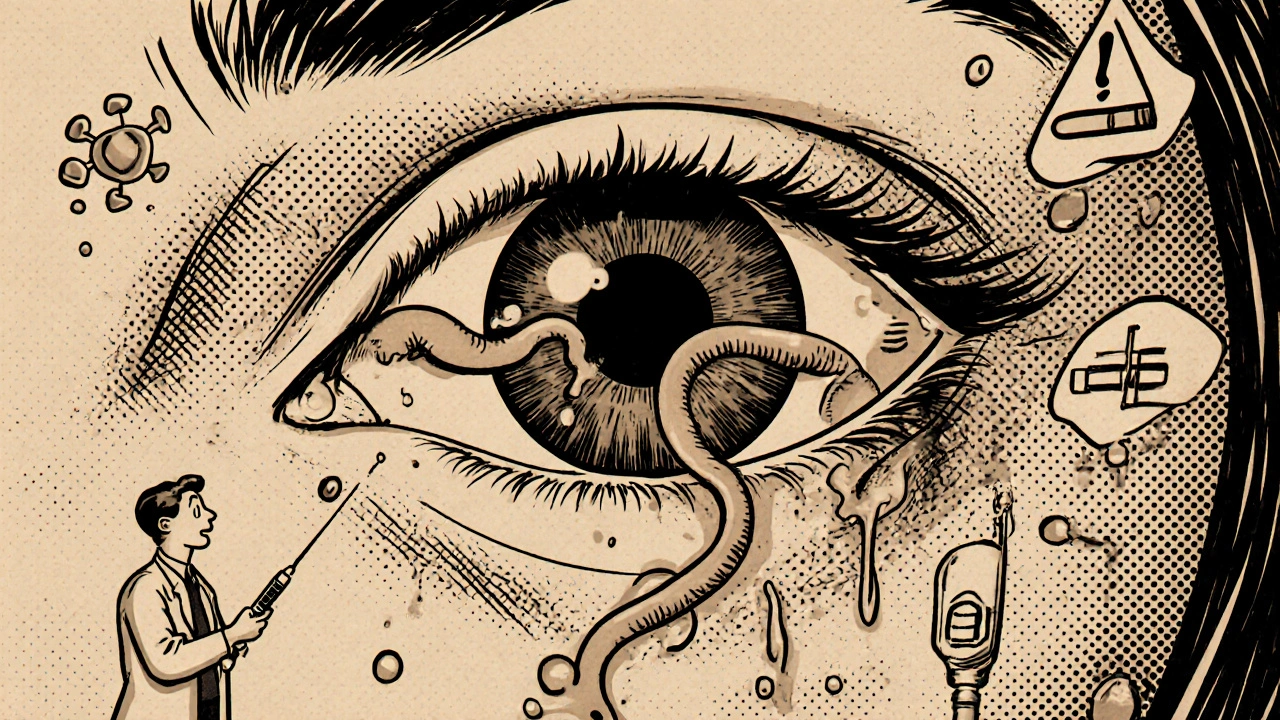
Retinal vein occlusion causes sudden vision loss due to blocked retinal veins. Learn the top risk factors like high blood pressure and diabetes, and how anti-VEGF injections can restore vision. Understand treatment options, costs, and what to expect during and after eye injections.
full article