Need fast, clear answers about a drug? This Medications category collects straightforward guides on how common medicines work, how to use them safely, and what alternatives exist. You’ll find practical tips—dosing basics, side-effect flags, and when to call your clinician. No fluff, just useful steps you can act on.
Look for what matters: how the drug works, typical doses, common side effects, key drug interactions, and alternatives. For example, our Imodium guide explains loperamide dosing and when diarrhea needs medical care. If you’re weighing blood thinners, read the Coumadin vs DOACs comparison for real-life tradeoffs like INR monitoring and reversal options.
Search the page titles or the keywords listed under each post. Want sexual health options? Check the 2025 alternatives to Viagra and Cialis or the Priligy alternatives piece. Fertility questions are covered in the Clomid alternatives article. For pain and seizure meds, see our Neurontin alternatives review.
Start with symptoms and goals: are you treating an emergency symptom (like severe asthma) or planning long-term therapy? For quick rescue inhalers, our Ventolin alternatives article compares inhaler types and what to expect. For chronic meds such as hydroxychloroquine, read dosing, monitoring, and how to find affordable options online.
Pay attention to interaction notes. A brief example: anticoagulants interact with many supplements and antibiotics—small changes can change bleeding risk. Each article flags common risky combos so you can spot them before they cause trouble.
If you’re thinking about switching or stopping a drug, read the alternatives pieces. They list pros and cons—like how some ED treatments or fertility options affect hormones or require follow-up tests. Those posts make it easy to talk with your provider about realistic expectations.
Use the actionable checklists inside articles: what to tell your doctor (current meds, allergies, liver/kidney history), what symptoms need urgent care, and simple safety steps like keeping a med list on your phone.
Not sure if a source is right for you? We keep language plain and cite common practice—so you can take what you learn straight to your healthcare team. These pages aren’t a prescription, but they help you ask better questions and avoid common pitfalls.
Browse the category when you need clear, quick drug facts: dosing windows, side-effect signs, safe alternatives, and tips to find legitimate pharmacy options. If a topic matters to you—say, safe options for neuropathic pain or affordable online options for hydroxychloroquine—click into the article for step-by-step info.
Got feedback or a topic you want covered? We update guides regularly to reflect new options and safety data. Read, save, and bring the notes to your next appointment—medicine becomes easier when you know what to ask for.

Comprehensive guide to antidepressant types, safety warnings, side effects, and practical usage tips for patients managing depression and anxiety.
full article
Learn how to read pharmacy warning icons on medication labels. Understand color codes, common symbols, and regional differences to prevent medication errors safely.
full article
Learn what black box warnings on prescription medications mean, why the FDA issues them, and how to manage your health safely when your drug carries a serious safety alert.
full article
Stopping SSRIs and SNRIs can trigger withdrawal symptoms that last days or months. Learn what to expect, how long symptoms last, and the safest ways to taper based on real patient data and clinical guidelines.
full article
Discover the top FDA medication safety apps that help track side effects, drug interactions, and dosing schedules. Learn how Medisafe, Drugs.com, and others are reducing medication errors with real-time data and AI-powered alerts.
full article
Switching from an originator biologic to a biosimilar is safe for most patients, with strong evidence showing equal effectiveness and safety. Cost savings are significant, but patient education and careful monitoring are key to success.
full article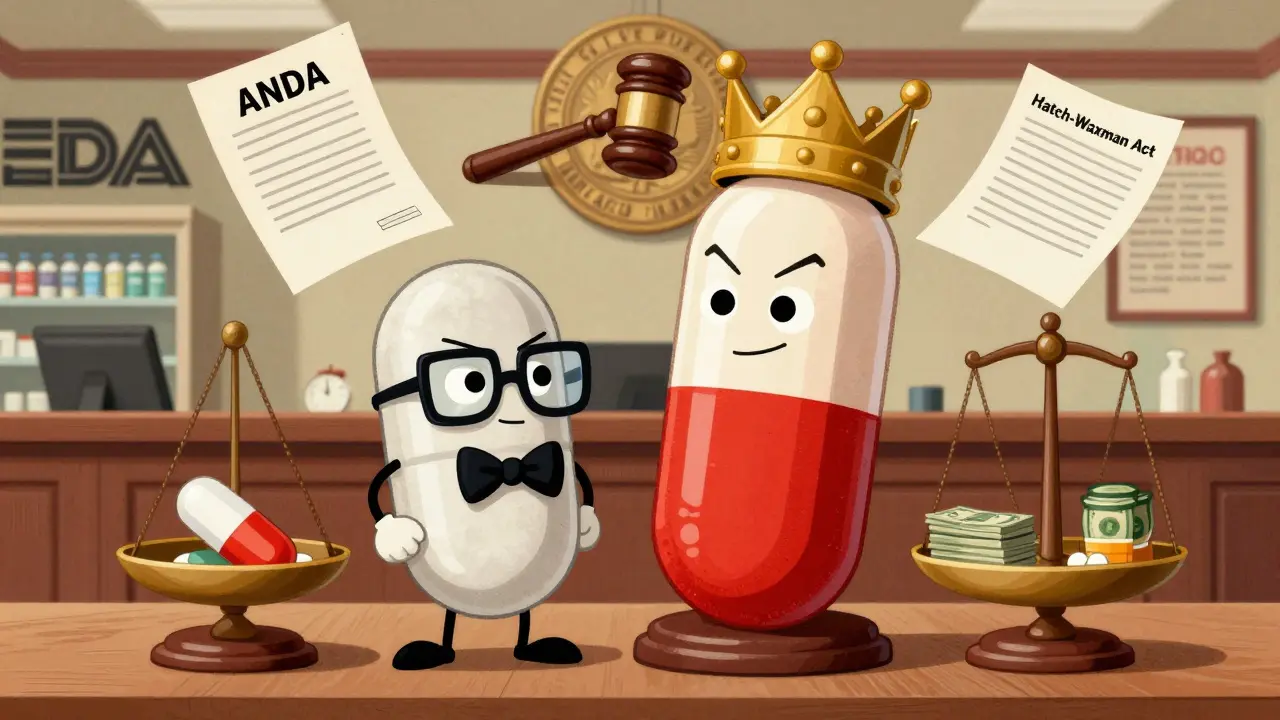
The ANDA process is the legal pathway the FDA uses to approve generic drugs in the U.S., ensuring they're as safe and effective as brand-name versions without requiring costly clinical trials. Learn how bioequivalence, manufacturing standards, and patent rules shape generic drug access.
full article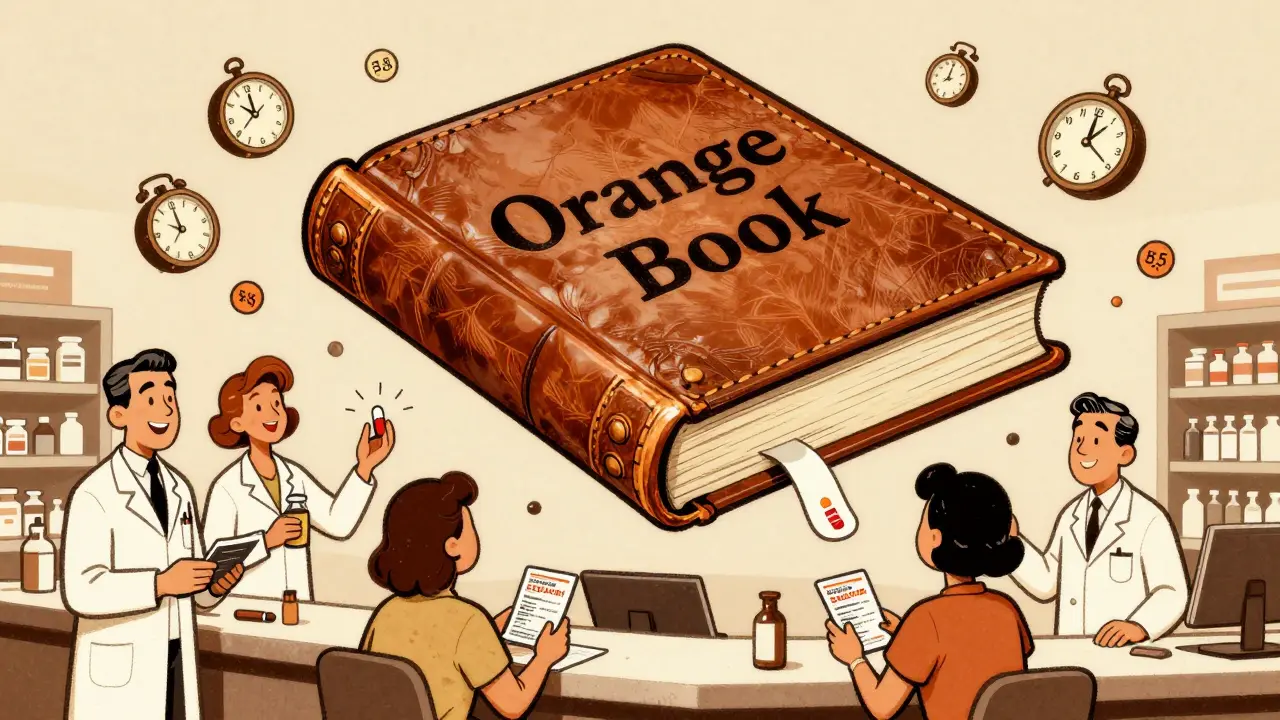
The Orange Book database from the FDA lists approved prescription drugs, their patents, and therapeutic equivalence ratings - enabling generic competition and saving billions in healthcare costs.
full article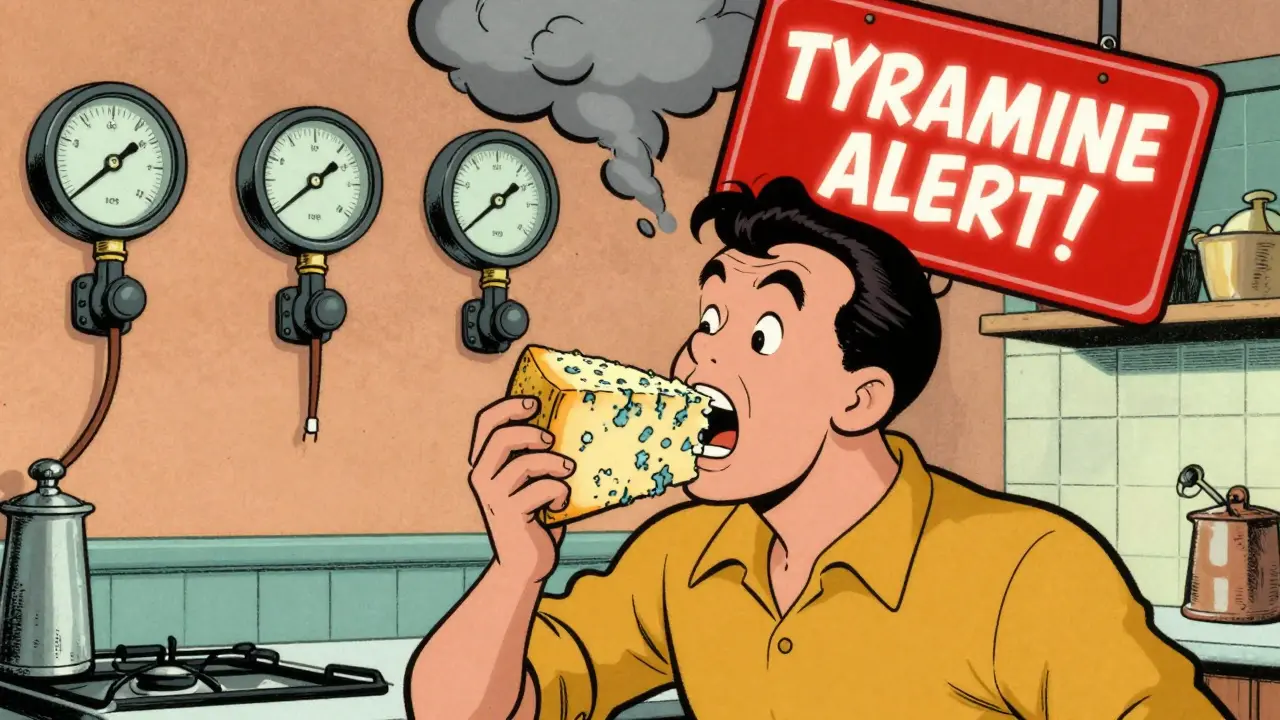
Tyramine-rich foods can trigger dangerous blood pressure spikes in people taking MAO inhibitors. Learn which foods to avoid, how different MAOIs affect risk, and what to do if symptoms appear.
full article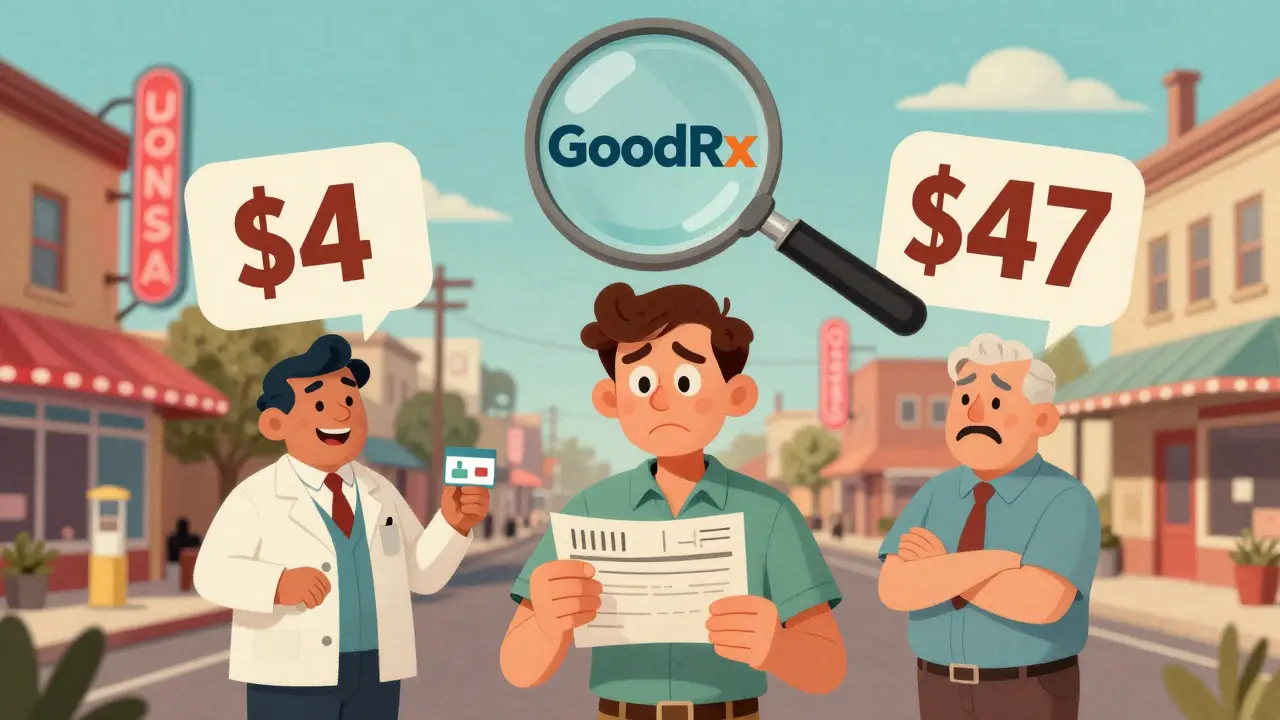
Discover how to find the lowest prices for generic medications using real-time tools, apps, and state-level programs. Learn why prices vary, how to use coupons wisely, and what's changing in 2025.
full article