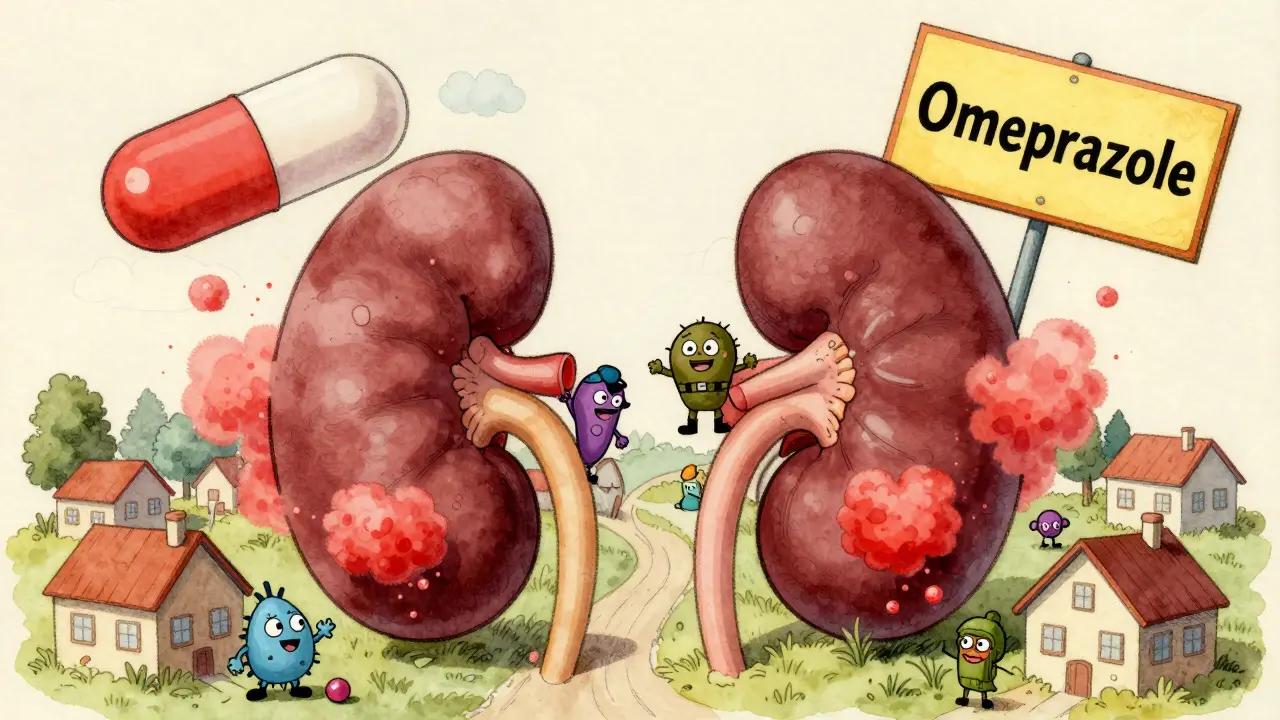
Medication-induced acute interstitial nephritis is a hidden cause of kidney damage, often mistaken for other conditions. Learn the key signs, which drugs trigger it, and what to do before permanent damage occurs.
full article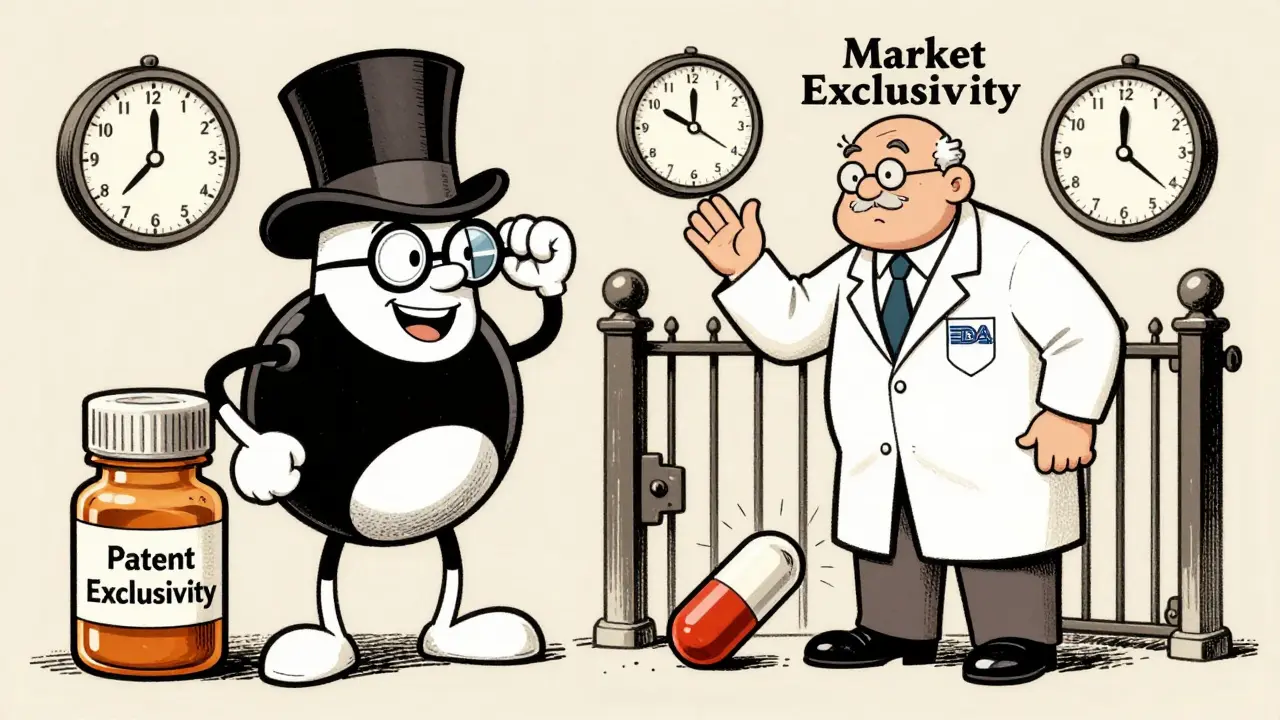
Patent exclusivity and market exclusivity are two different systems that protect new drugs in the U.S. One comes from the patent office, the other from the FDA. Understanding how they work explains why some drugs stay expensive long after patents expire.
full article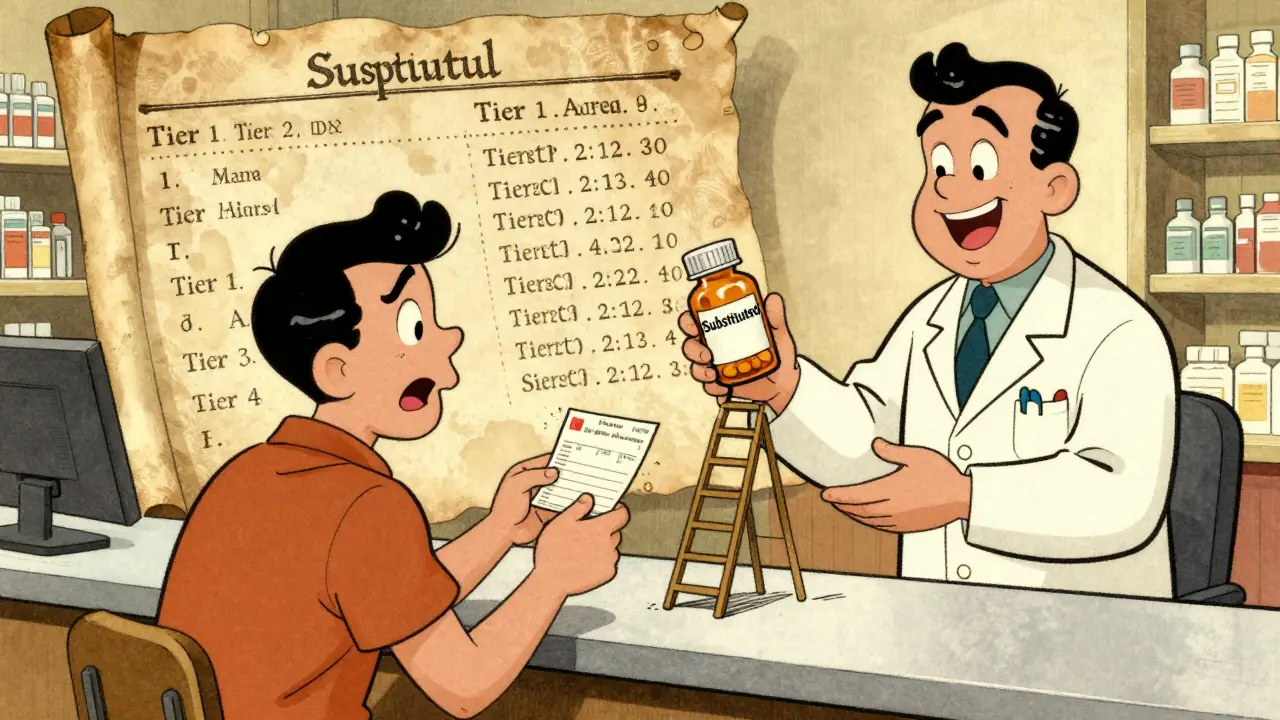
Insurance formularies control which drugs are covered and how much you pay. Learn how tiers, substitutions, and prior authorizations impact your prescriptions - and what you can do to protect your access.
full article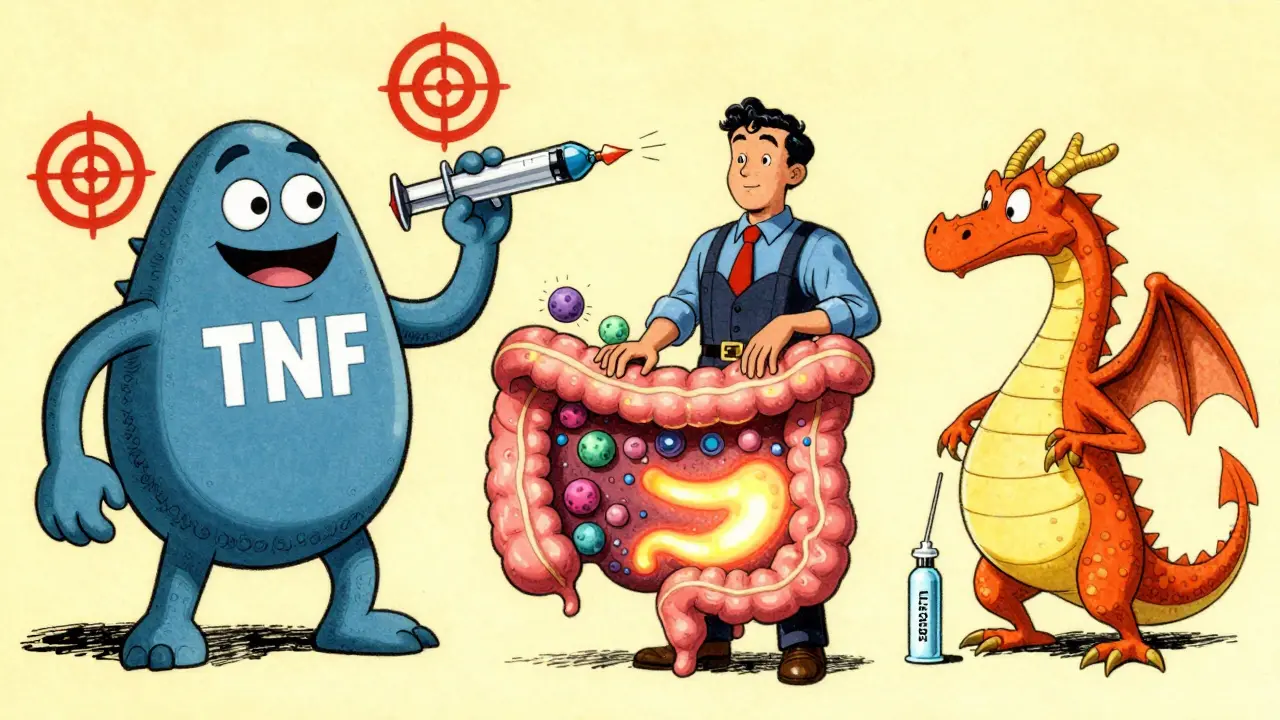
IBD biologics like anti-TNF, anti-integrin, and IL-12/23 inhibitors offer targeted treatment for Crohn's and ulcerative colitis. Learn how each works, their real-world effectiveness, safety profiles, costs, and what patients say about them.
full article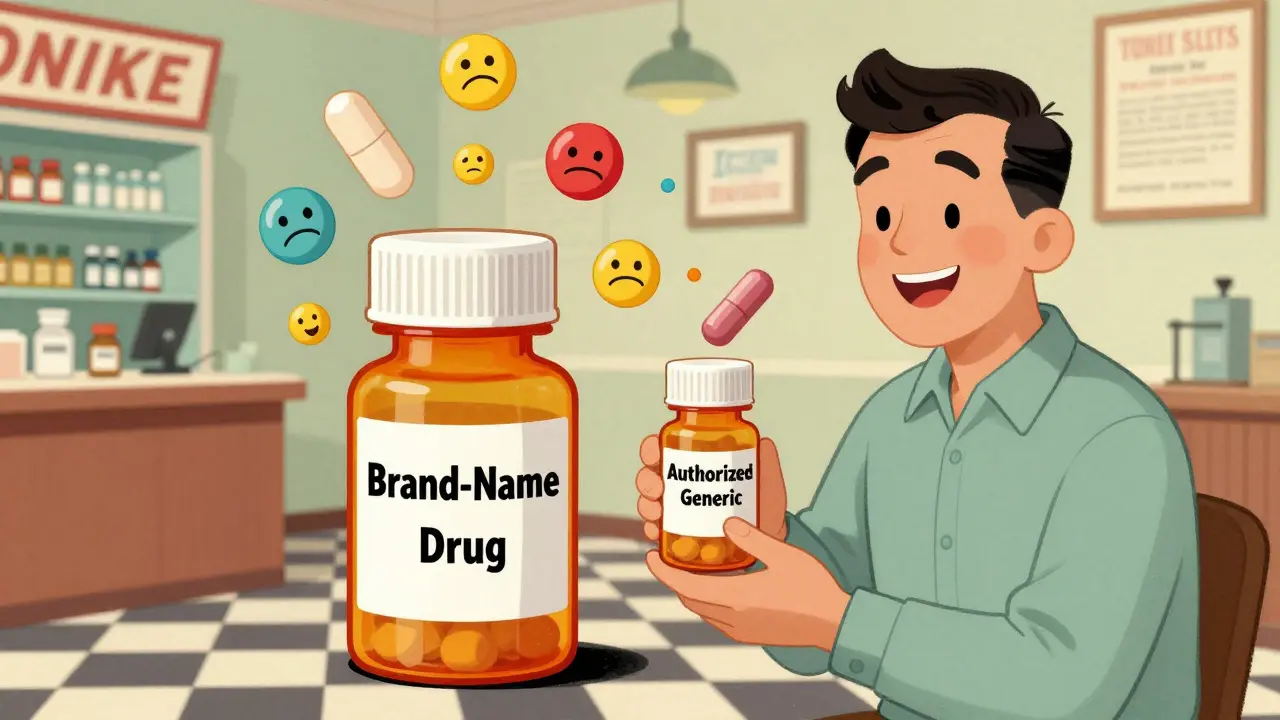
Authorized generics offer the same medication as brand-name drugs at lower prices, with no formulation changes - making them a safer, more reliable option for patients switching from brand-name prescriptions.
full article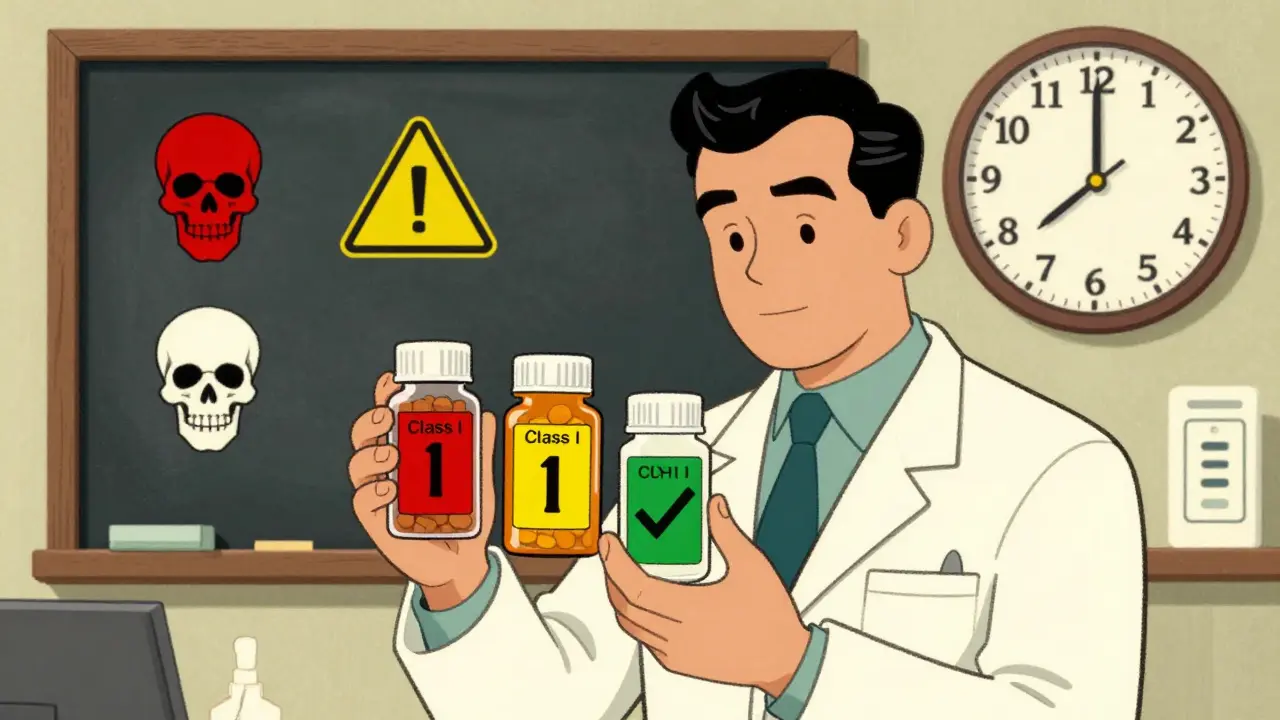
Learn how to efficiently check and respond to pharmacy drug recalls. Steps to set up notifications, verify recalls, and avoid common mistakes to keep patients safe.
full article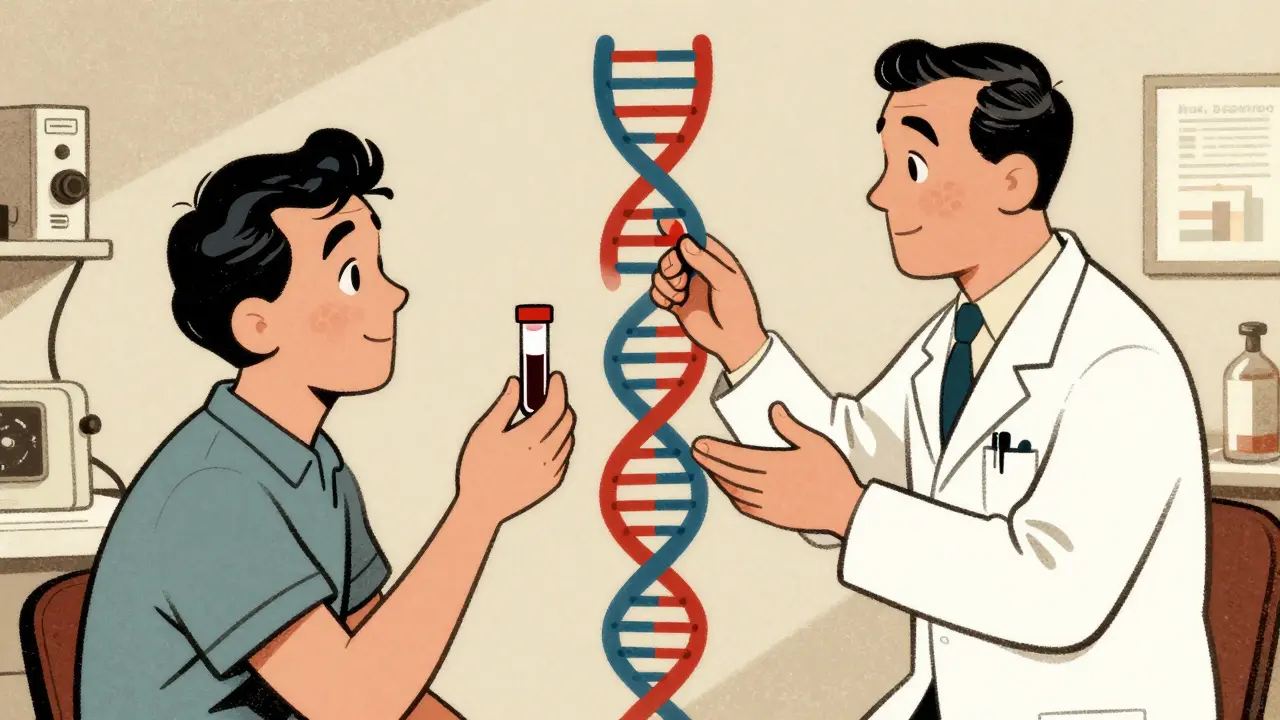
Discover how genetic testing predicts statin side effects. Learn about SLCO1B1 gene variants, real-world testing experiences, and why some patients tolerate statins better than others.
full article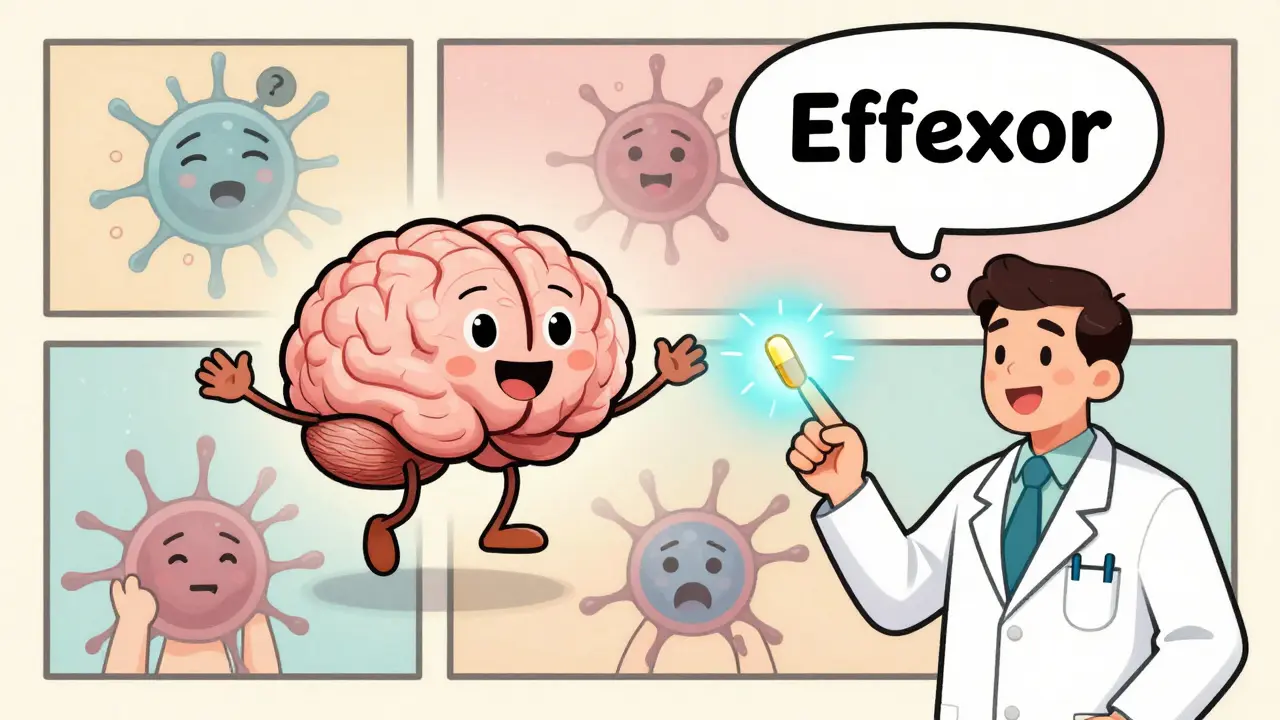
SNRI medications like venlafaxine and duloxetine treat depression and chronic pain by targeting serotonin and norepinephrine. Learn about their side effects, how they compare, and what to expect when starting or stopping them.
full article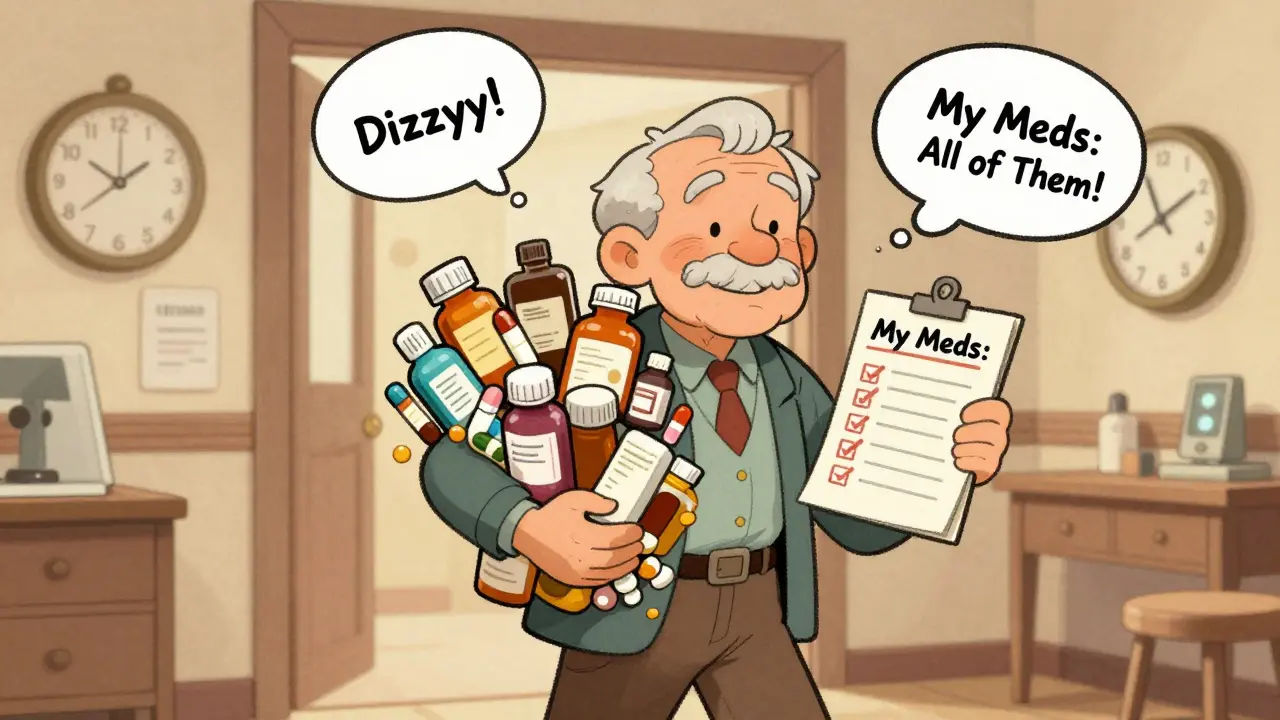
Learn exactly what to bring, what to ask, and how to prepare for a medication review appointment to avoid dangerous drug interactions and ensure your treatment is still right for you.
full article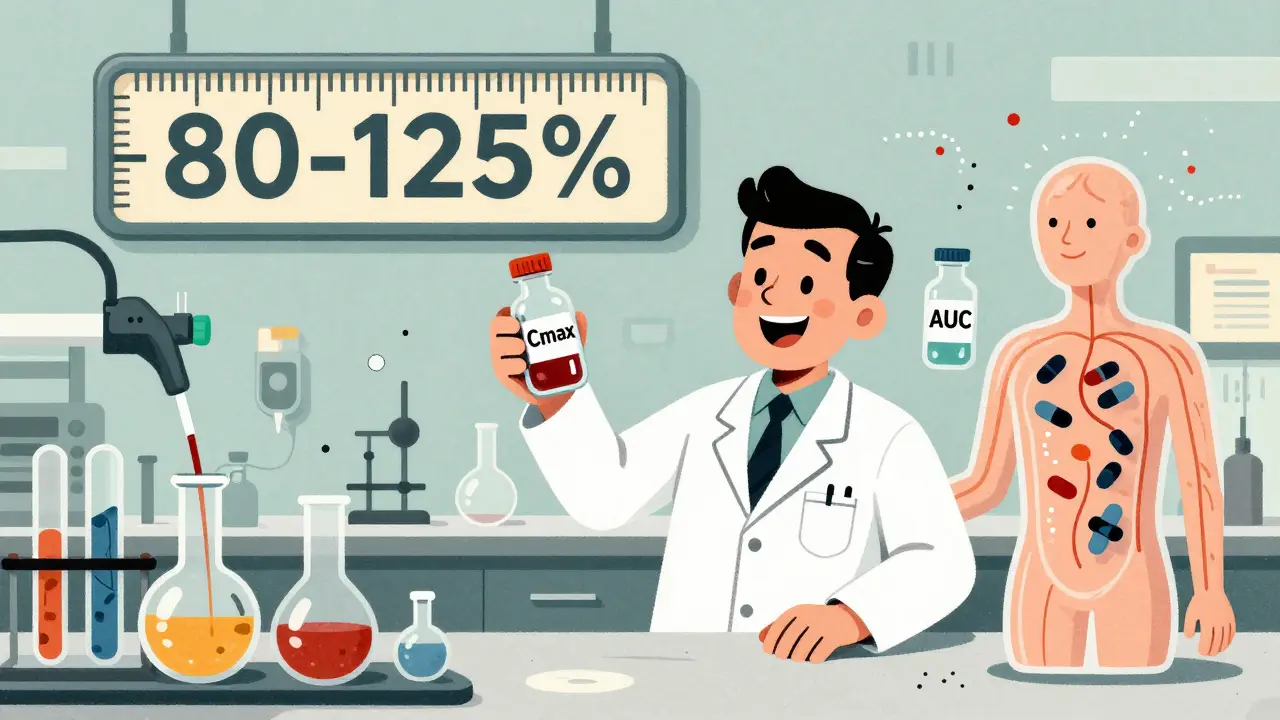
Pharmacokinetic studies are the main way regulators prove generic drugs work like brand-name versions. But they're not perfect - especially for complex or topical medications. Here's how they work, where they fall short, and what's changing in drug approval.
full article