When you pick up a generic pill, you’re not just saving money—you’re getting a drug that’s been proven to act the same way as the brand-name version. This is called bioequivalence, the measure that shows two drug products have the same rate and extent of absorption into the bloodstream. Also known as pharmaceutical equivalence, it’s the quiet rule behind most generic prescriptions. Without it, you couldn’t trust that your $5 generic version of a $100 brand drug would actually do the same job.
Bioequivalence isn’t just a lab term—it’s what keeps your treatment consistent. If you switch from one generic to another, or from brand to generic, bioequivalence means your blood levels of the drug stay within a tight range. That’s why your doctor doesn’t need to adjust your dose every time your pharmacy switches suppliers. It’s also why the FDA requires this proof before approving any generic drug. The standard? The generic must deliver the same amount of active ingredient into your system within 80% to 125% of the brand’s levels. No guesswork. No big swings. Just reliable results.
This concept connects directly to other critical health topics you’ll find here. For example, drug interactions, when two medications affect each other’s behavior in your body. Also known as pharmacokinetic interactions, they’re easier to predict when you know a drug is bioequivalent across brands. If you’re on warfarin and your pharmacist swaps your generic blood thinner, bioequivalence keeps your INR stable. Same goes for antidepressants like sertraline or epilepsy meds—small changes in absorption can trigger side effects or reduce effectiveness. That’s why posts on Zoloft alternatives, antibiotics and warfarin, or meglitinides and hypoglycemia all depend on this underlying principle.
And it’s not just about pills. Bioequivalence applies to inhalers, eye drops, and even topical creams. A nebulizer solution and an inhaler might deliver the same drug, but if they’re not bioequivalent, your asthma control could slip. That’s why comparing nebulizers vs inhalers isn’t just about convenience—it’s about whether the drug actually reaches your lungs the same way. Same with topical treatments: if a generic cream doesn’t absorb like the brand, your skin condition won’t improve.
What you won’t find in this collection are claims that generics are "weaker" or "inferior." That’s marketing, not science. What you will find are real stories: how bioequivalence lets people afford life-saving drugs, why some patients still worry about switching, and how pharmacy substitutions can go wrong when standards aren’t followed. You’ll see how it ties into refill-by dates, expiration labels, and even how alcohol affects vertigo—because if your body isn’t getting consistent drug levels, everything else gets thrown off.
Whether you’re managing diabetes with meglitinides, treating gout with allopurinol, or using antivirals for herpes, bioequivalence is the invisible hand keeping your treatment on track. Below, you’ll find guides that show how this rule plays out in real life—with real drugs, real side effects, and real savings. No theory. No jargon. Just what you need to know to make sure your meds work, every time.
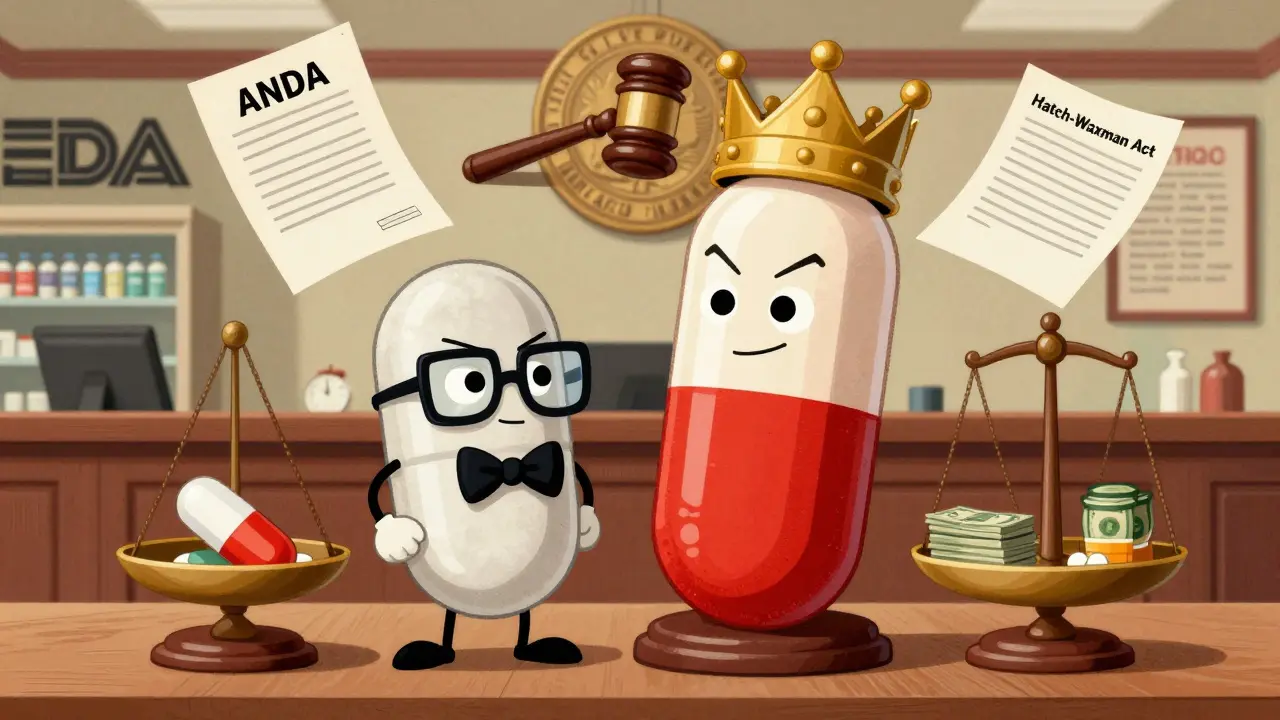
The ANDA process is the legal pathway the FDA uses to approve generic drugs in the U.S., ensuring they're as safe and effective as brand-name versions without requiring costly clinical trials. Learn how bioequivalence, manufacturing standards, and patent rules shape generic drug access.
full article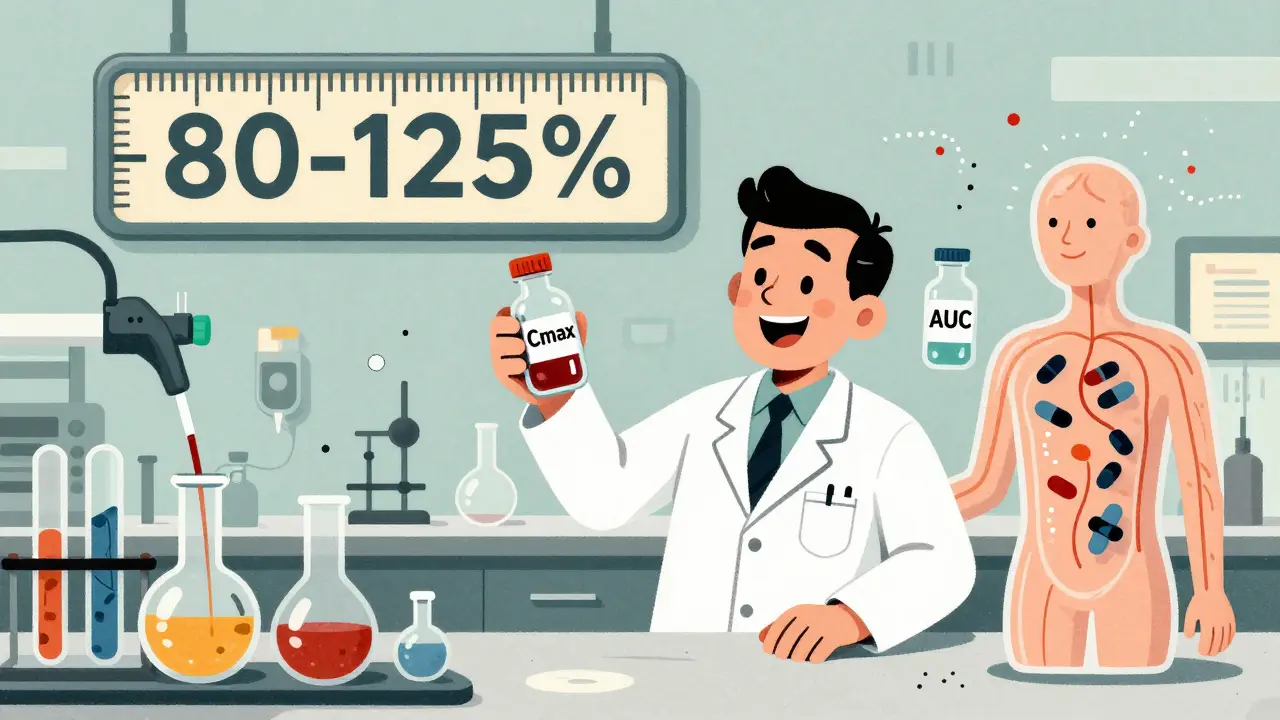
Pharmacokinetic studies are the main way regulators prove generic drugs work like brand-name versions. But they're not perfect - especially for complex or topical medications. Here's how they work, where they fall short, and what's changing in drug approval.
full article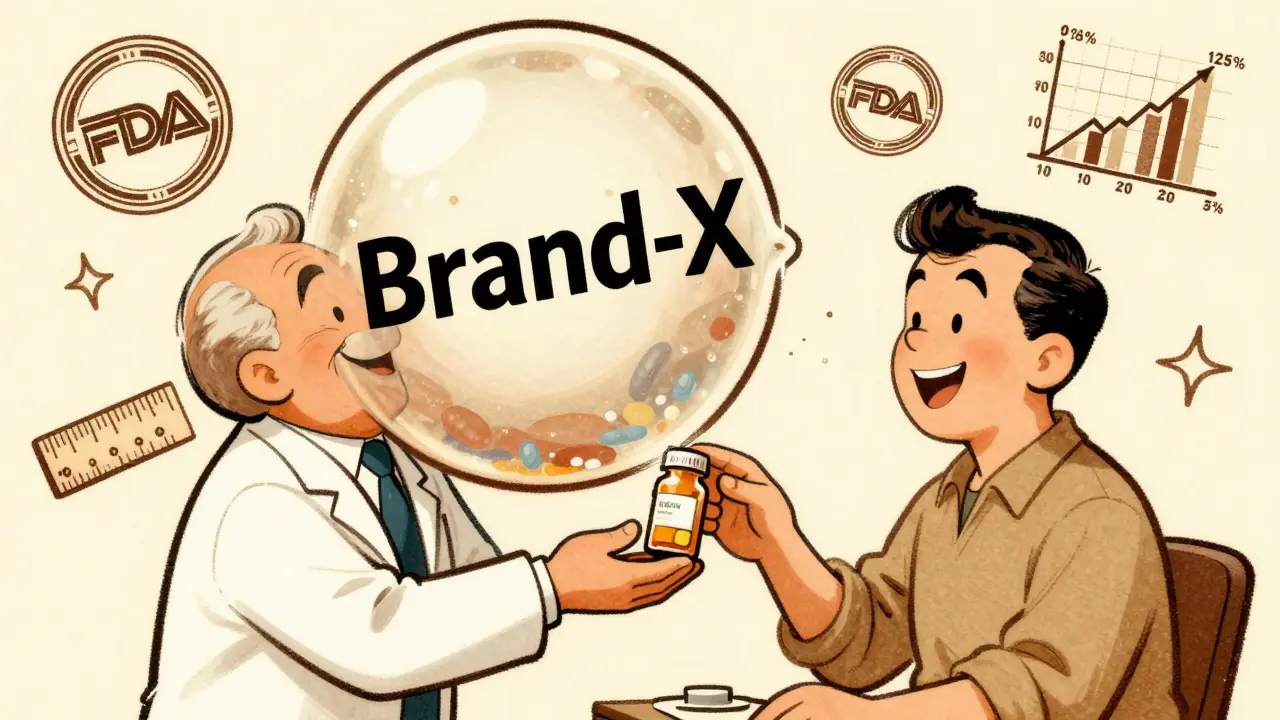
Clinical studies show generic drugs work just as well as brand-name ones for most people. But for certain medications-like thyroid or seizure drugs-small differences can matter. Here’s what the science really says.
full article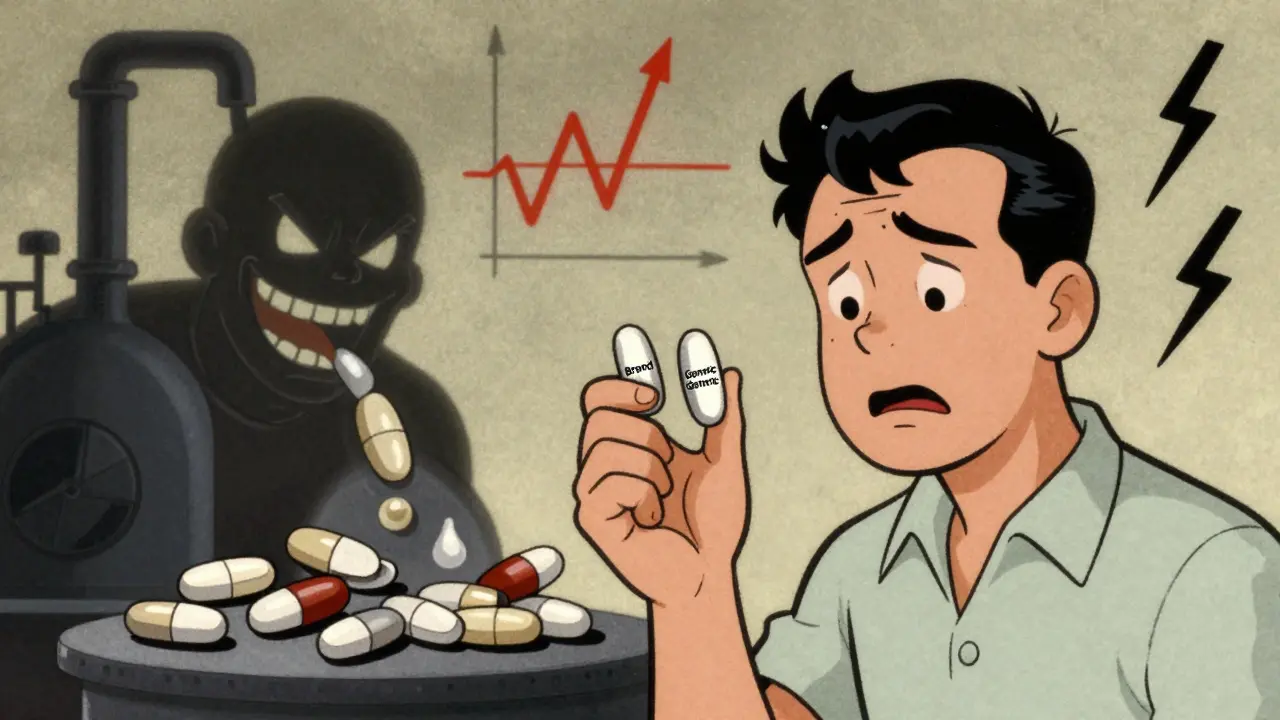
Generic drugs are supposed to be safe, affordable copies of brand-name medications-but when they fail, the consequences can be deadly. Learn why some generics don’t work and what you can do to protect yourself.
full article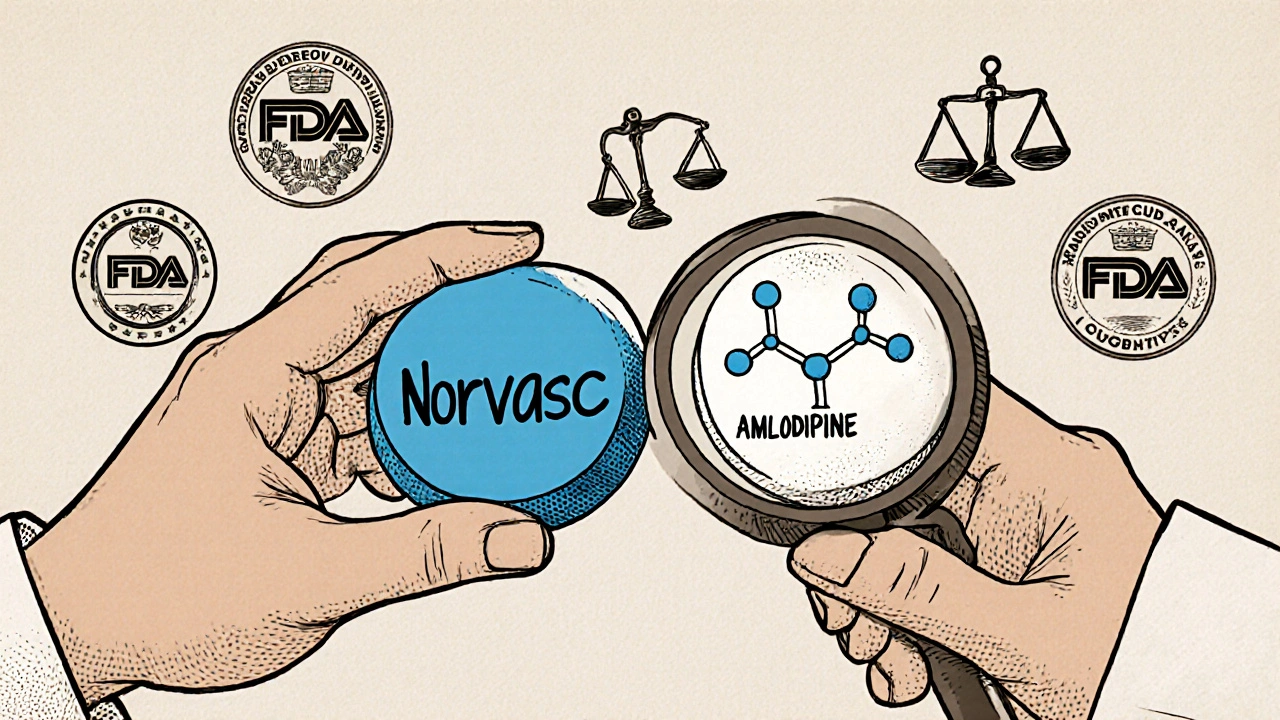
Generic drugs are not copies - they're scientifically proven equivalents to brand-name medications. Learn how they work, why they cost less, and when you should stick with the original.
full article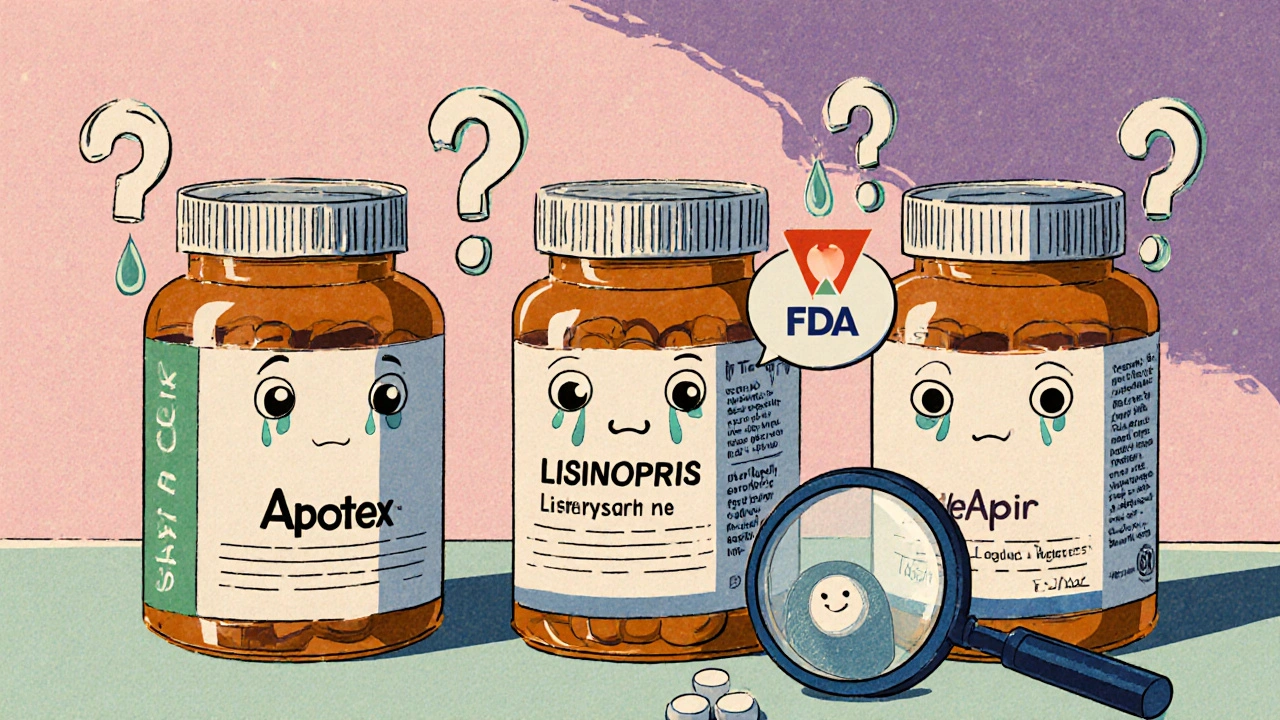
Learn how to choose between generic medications safely. Understand bioequivalence, therapeutic ratings, and when to stick with one manufacturer to avoid health risks.
full article