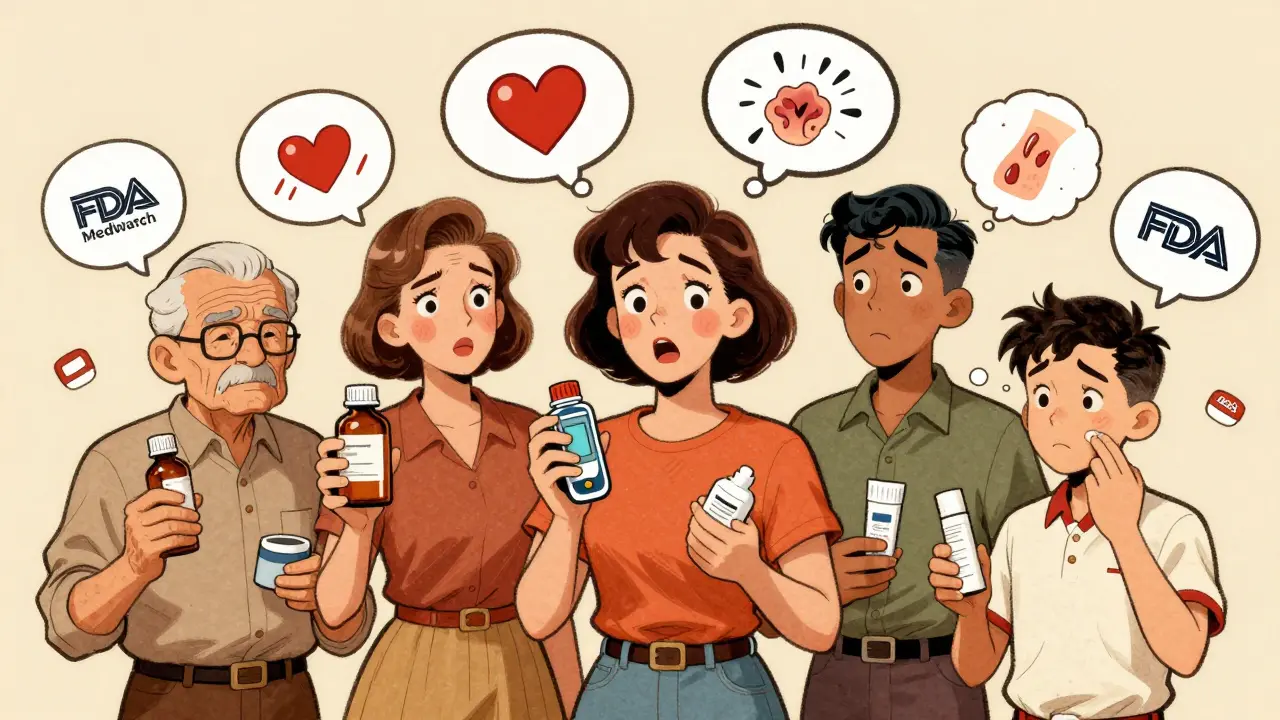
Learn how to report side effects and adverse reactions to the FDA using MedWatch. A simple guide for patients and caregivers to help improve drug safety and prevent future harm.
full article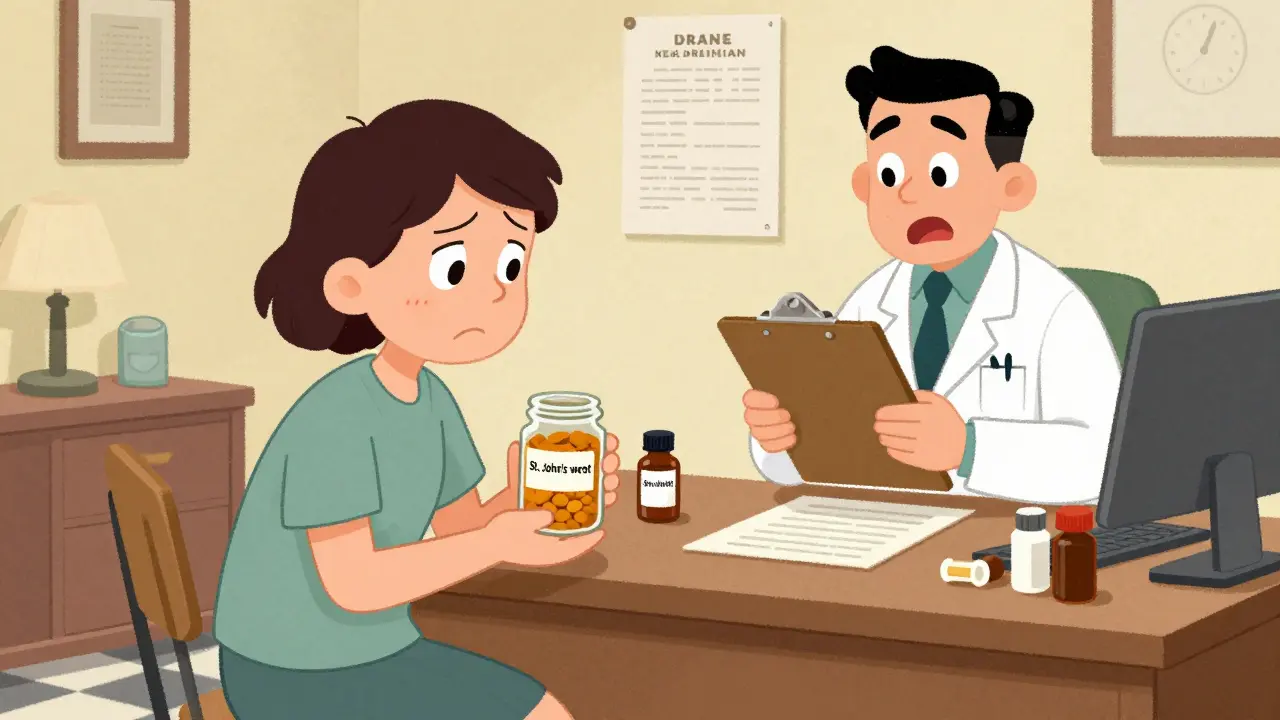
Many people take supplements without telling their doctor, but this can be dangerous. Herbal remedies and vitamins can interact with medications, affect surgery outcomes, and cause serious side effects. Here’s why full disclosure matters-and how to do it right.
full article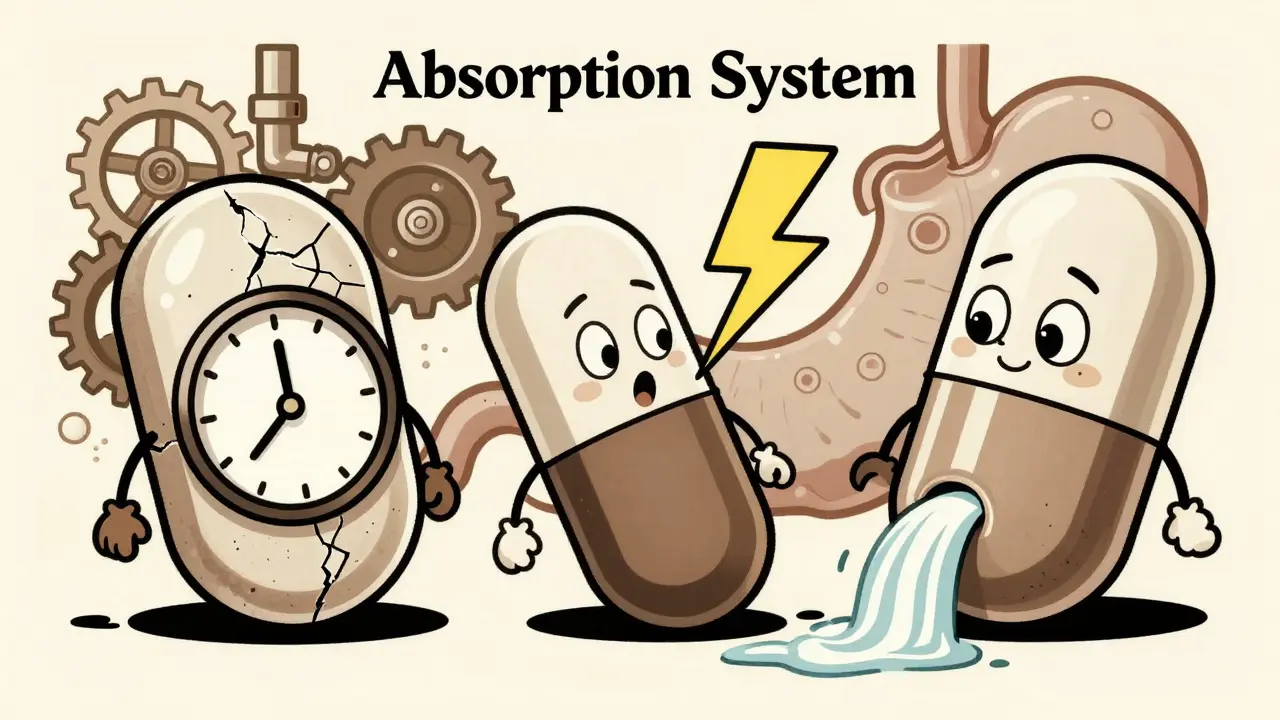
Learn how tablet, capsule, and extended-release formulations affect how your medicine works-and why side effects change based on the form you take. Understand cost, safety, and what to ask your pharmacist.
full article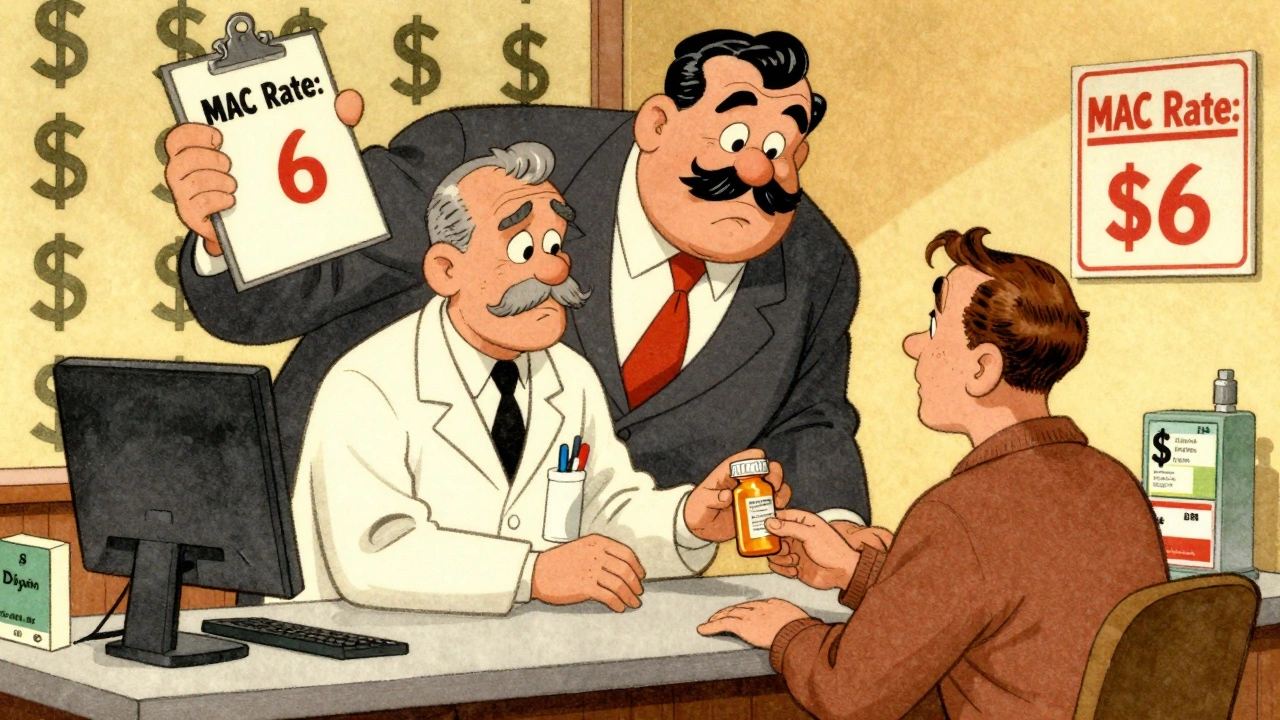
Pharmacy reimbursement laws determine how much pharmacists get paid for generic drugs. From MAC pricing to PBM spreads and Medicare's new $2 list, understand how these rules affect your out-of-pocket costs and access to affordable medications.
full article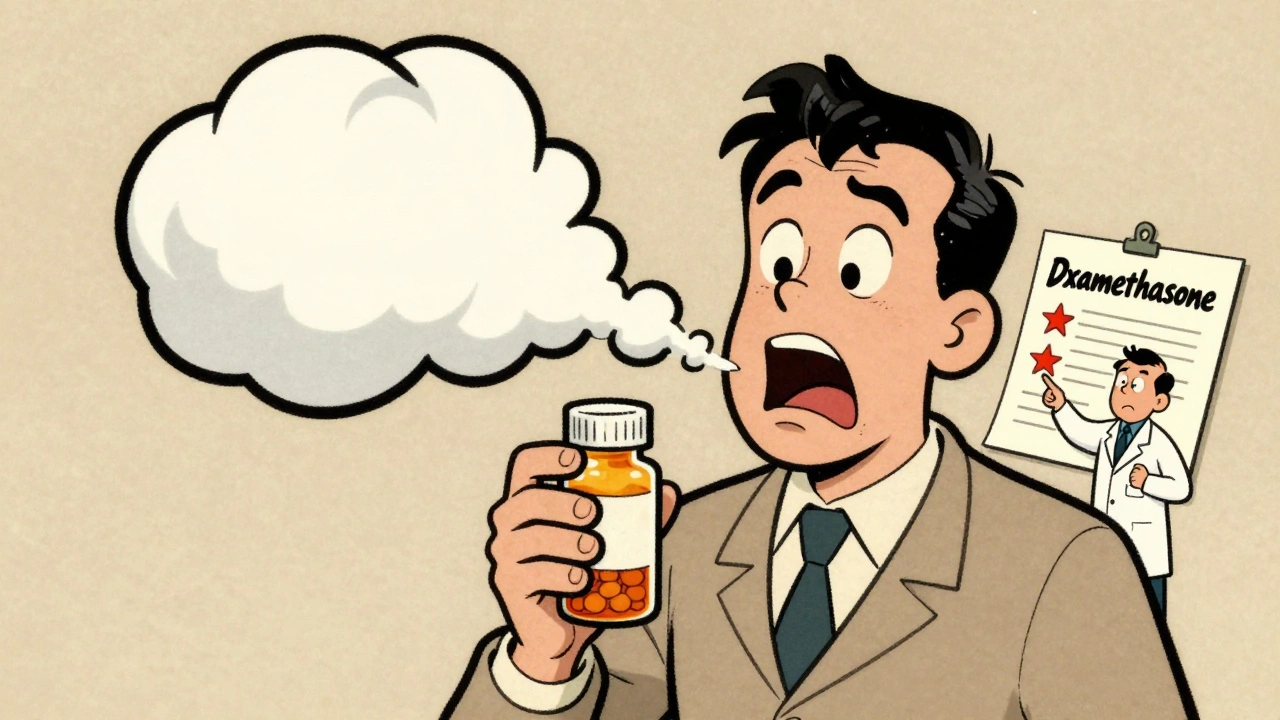
Many medications, especially steroids and opioids, can trigger persistent hiccups. Learn which drugs are most likely to cause them, what actually works to stop them, and how to talk to your doctor about this overlooked side effect.
full article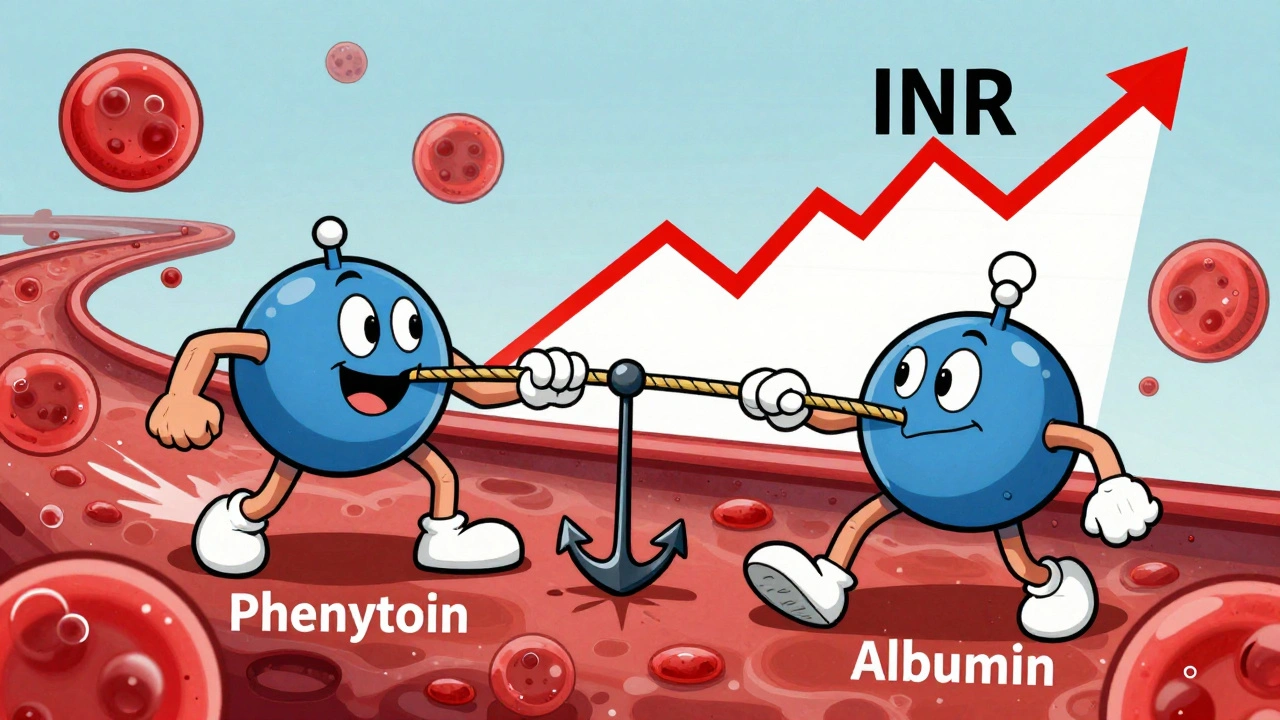
Phenytoin and warfarin interact in two phases: an early spike in INR from protein displacement, followed by a dangerous drop due to enzyme induction. This requires close INR monitoring and careful dose adjustments to avoid bleeding or clotting.
full article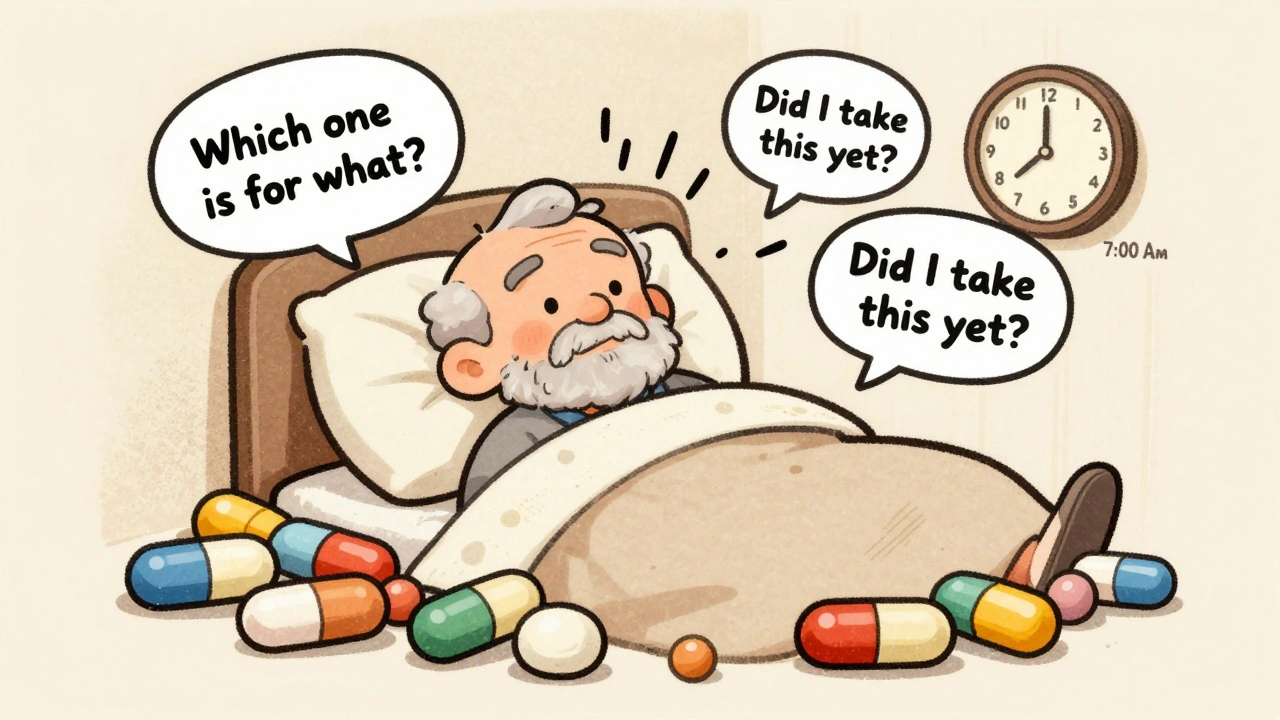
Taking five or more medications increases your risk of side effects, falls, hospital stays, and even death. Learn how polypharmacy works, why it's dangerous, and what you can do to stay safe.
full article
Fluoroquinolone antibiotics like levofloxacin can increase tendon rupture risk, especially in older adults and those with kidney issues. NSAIDs don't raise the risk but can mask early warning signs. Know the facts before taking these drugs.
full article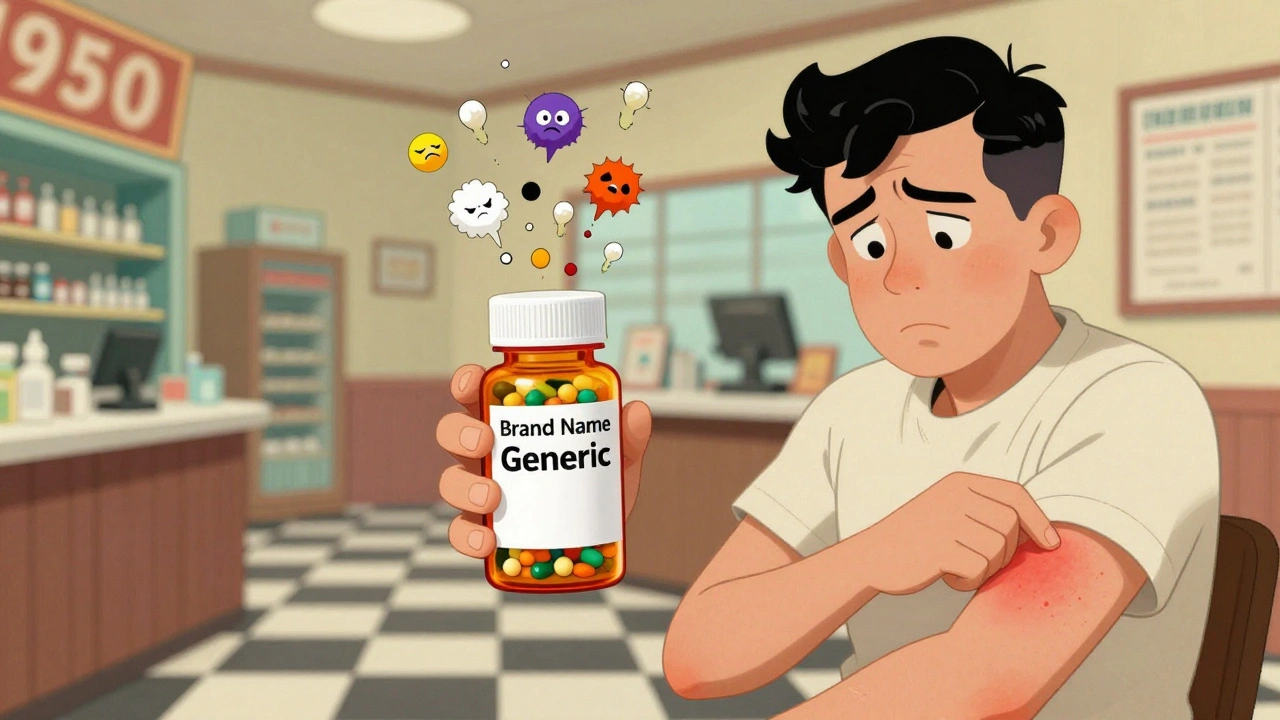
Generic medications can cause allergic reactions due to inactive ingredients like lactose, gluten, or dyes - not the active drug. Learn when to seek emergency care and how to avoid future reactions.
full article
Colchicine and macrolides like clarithromycin can cause deadly toxicity when taken together due to CYP3A4 and P-gp inhibition. Learn how this interaction works, which antibiotics are safe, and what to do if you're on both.
full article